
Shipping from China to Vietnam
China → Vietnam · clearance by General Department of Vietnam Customs (Tổng cục Hải quan)
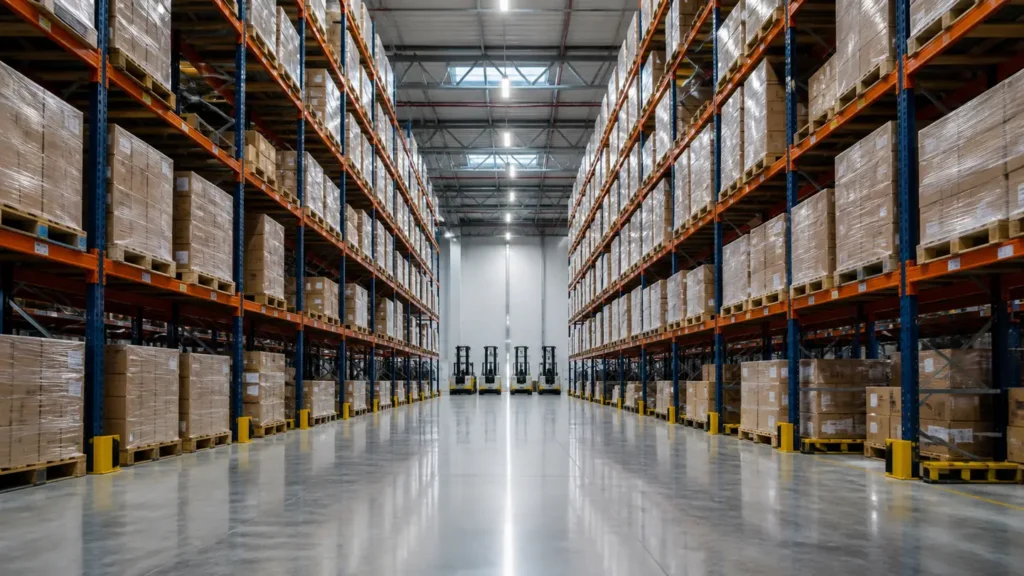
We move freight cargo from South China into Vietnam through SGN air / Cai Mep sea. Vietnam is served through Hai Phong, Cat Lai (Ho Chi Minh City), Cai Mep–Thi Vai, which shapes the kind of cargo that moves on this lane and how it should be packed.
Clearance itself is handled by General Department of Vietnam Customs (Tổng cục Hải quan), and typical dwell at the gateway runs 2–5 days.
How this lane actually runs
Vietnam is the shortest deep-sea lane out of South China — Shekou to Hai Phong is often 3–5 days. Northern Vietnam is also served overland through the Youyi Guan (Pingxiang) and Mong Cai crossings, which suits LCL and urgent replenishment for the Bac Ninh and Bac Giang electronics cluster.
| Air gateways used | SGN (Ho Chi Minh City), HAN (Hanoi), DAD (Da Nang) |
|---|---|
| Air transit, China to gateway | 2–4 business days |
| Sea gateways used | Hai Phong, Cat Lai (Ho Chi Minh City), Cai Mep–Thi Vai |
| Sea transit, China to gateway | 3–7 calendar days |
| Gateway serving Vietnam | SGN air / Cai Mep sea |
| Inland leg to Vietnam | Same day from the gateway |
| Typical clearance / dwell | 2–5 days |
| Peak season to plan around | Sep–Nov |
Delivery cities in Vietnam
Principal delivery points: Ho Chi Minh City, Hanoi, Hai Phong, Da Nang, Binh Duong, Bac Ninh, Dong Nai. Pick a city for the gateway it uses and the inland leg beyond clearance.
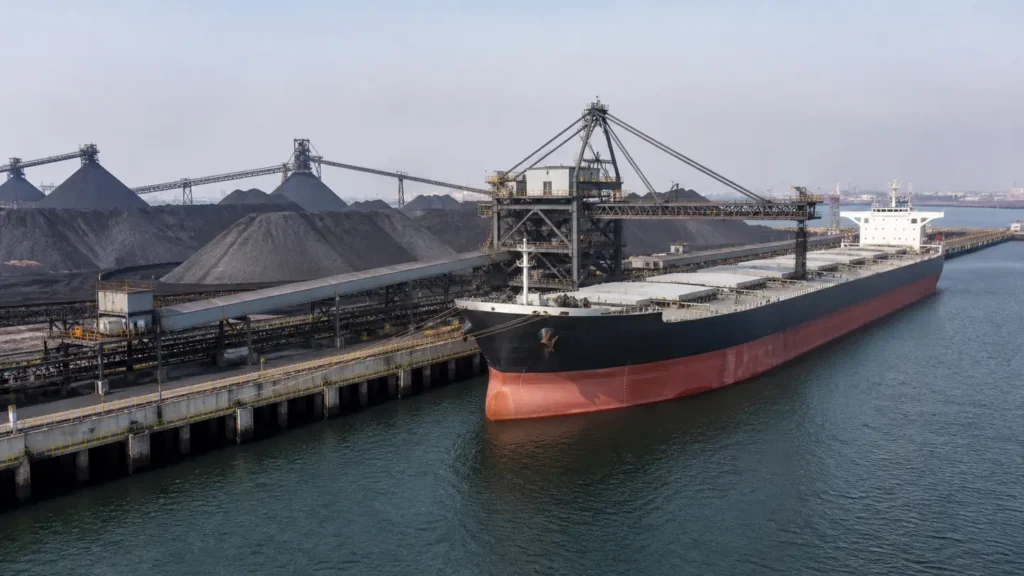
What you will pay on arrival in Vietnam
Imports into Vietnam are cleared by General Department of Vietnam Customs (Tổng cục Hải quan). The headline position is: VAT 8–10%; duty 0–35%, with 0% available on most tariff lines under ACFTA/RCEP with a valid Form E. The de-minimis threshold is VND 1,000,000 (roughly USD 40) on express parcels.
Conformity is the part most first-time importers underestimate: Form E certificate of origin to claim ACFTA duty relief; MIC/Circular 04 type approval for radio equipment; energy-efficiency labeling for appliances. Getting this wrong is expensive because it usually cannot be fixed after the cargo has landed.
Restrictions and known friction points for Vietnam: Used machinery is subject to Decision 18/2019 age limits. Cosmetics need a product announcement filed by the consignee. Duty relief under Form E is only granted if the origin document matches the invoice exactly — a very common cause of held shipments.
Air, sea or overland into Vietnam?
| Mode | Transit to gateway | Best suited to |
|---|---|---|
| ✈️ Air Freight | 2–4 business days | time-critical, high-value and low-volume cargo |
| 🚢 Sea Freight | 3–7 calendar days | volume cargo where cost per kilo matters more than speed |
Transit shown is China departure to the Vietnam gateway and excludes the same-day inland leg to Vietnam and 2–5 days of clearance.
What to sort out before the cargo leaves China
- Check the de-minimis position (VND 1,000,000 (roughly USD 40) on express parcels) against your invoice value before you decide how to split the shipment.
- Ask for the HS code in writing from your supplier and verify the Vietnam duty rate against it yourself.
- Compare gross weight against volumetric weight (L×W×H ÷ 6000) — the higher figure is what gets billed on air and express.
- Plan around the China-side windows too: Chinese New Year and Golden Week both compress capacity on the Vietnam lane.
- Confirm the consignee in Vietnam can act as importer of record — General Department of Vietnam Customs (Tổng cục Hải quan) will not release cargo to an unregistered party.
- Book earlier than the transit time suggests during Sep–Nov, when space on this lane tightens.
Frequently asked questions
How long does shipping from China to Vietnam take?
China to the Vietnam gateway is 2–4 business days by air, 3–7 calendar days by sea. On top of that, allow 2–5 days of clearance with General Department of Vietnam Customs (Tổng cục Hải quan) and a same-day inland leg to Vietnam.
What duty and tax will I pay importing into Vietnam?
General Department of Vietnam Customs (Tổng cục Hải quan) applies: VAT 8–10%; duty 0–35%, with 0% available on most tariff lines under ACFTA/RCEP with a valid Form E. The de-minimis position is VND 1,000,000 (roughly USD 40) on express parcels. Under a DDP arrangement these are pre-paid, so nothing is collected on arrival in Vietnam.
Can you deliver door-to-door in Vietnam?
Yes. Delivery to a Vietnam address is quoted as one figure covering freight, duty and tax owed to General Department of Vietnam Customs (Tổng cục Hải quan), and the same-day inland leg. Confirm whether your consignee wants the goods at a warehouse, a marketplace fulfillment center or a shop front, because the last-mile requirement differs.
When is the busiest time on the China–Vietnam lane?
Space and rates tighten around Sep–Nov, plus the China-side windows of Chinese New Year in January or February and Golden Week in early October. Book one to two weeks earlier in those periods.
Can you ship batteries or sensitive cargo to Vietnam?
Yes. Battery cargo by air follows IATA PI 965–970 depending on how the cells are packed, and moves on certified channels via SGN (Ho Chi Minh City), HAN (Hanoi), DAD (Da Nang). Surcharges apply and the declaration has to be made before booking.
How is the chargeable weight calculated for Vietnam?
We compare actual gross weight against volumetric weight — length × width × height in centimeters divided by 6000 for air — and bill the greater of the two, rounded up to the next kilogram. Light, bulky cargo is almost always billed on volume.
References & official sources
Duty rates, thresholds and conformity requirements for Vietnam change by ministerial decision, sometimes mid-year. The figures on this page are buyer-planning references, not a customs ruling — confirm the current position for your own HS code with General Department of Vietnam Customs (Tổng cục Hải quan) or your broker before you ship.
- General Department of Vietnam Customs
- Ministry of Industry and Trade
- WTO — Tariff Profiles (applied MFN duty by country)
- IPPC — ISPM 15 wood packaging standard
- WCO — Harmonized System nomenclature
- IMO — IMDG Code for dangerous goods by sea
Page data last reviewed: 10 月 2026.
Shipping by industry
This page covers the route and clearance picture for the destination. Packing, classification and the compliance step that actually holds a shipment depend on what you are sending — these guides cover that by commodity.
- Solar Panel New Energy, Power & Electrical
- Prefabricated Building Building Materials & Construction Products
- Pallet Wood, Bamboo & Paper Products
- Conveyor Belts Plastics, Rubber & Packaging
- Hotel Furniture Furniture & Home Products
- Textiles Textiles, Apparel, Footwear & Leather
- Restaurant Furniture Retail, Display & Commercial Fixtures
- Metal Fabrication Metal Products & Industrial Components
- Pressure Vessels Metal Products & Industrial Components
- Switchgear New Energy, Power & Electrical
- Doors & Windows Building Materials & Construction Products
- Corrugated Packaging Wood, Bamboo & Paper Products
Checking the Vietnam duty position yourself
We publish these figures so you can budget, but the assessment that binds is the one General Department of Vietnam Customs makes on your declaration. Where a shipment is large enough that a percentage point matters, check their current tariff guidance rather than ours.
Classification drives everything downstream: the same carton can attract very different duty depending on the heading it lands in, and the structure those headings come from is the World Customs Organization Harmonized System. If your product sits near a boundary between two headings, resolve it before shipping rather than at the border.
For ocean cargo, restricted commodities move under the IMO's IMDG Code, and the container has to be declared and stowed accordingly. Batteries, flammables and corrosives all have a compliant ocean path; what causes rolled bookings is finding out about them after the container is packed.
If this is your first shipment into Vietnam, the Vietnam Country Commercial Guide covers the practical import environment in more depth than a rate page reasonably can, and it is written by a party with no stake in your booking.
Watch: the process behind this route
This guide covers routing and clearance for Vietnam. The video below covers the wider shipping process that sits around it.
Sea Freight from China: How to import from China to your country via Ocean Shipping — SINO Shipping. Published on YouTube by a third party; we link it because it explains the process well, not because we produced it or endorse the provider.
Customs clearance in Vietnam
Duty and tax position, certification, typical port dwell and what actually holds shipments at this border — plus who files the entry.
Vietnam clearance requirements →Priced routes to Vietnam
- Shekou to Qui Nhon FCL Ocean Freight Rates | 20GP & 40HQ
- Ship Nansha to Qui Nhon — FCL Container Cost from China
- Ship Shekou to Da Nang — FCL Container Cost from China
- Ship Shekou to Hai Phong — FCL Container Cost from China
- Ship Yantian to Cai Mep — FCL Container Cost from China
- Shipping a Container from Nansha to Cai Mep: Cost & Transit