
Intra-Asia
4–16 daysJapan, Korea, Vietnam, Thailand, Malaysia, Indonesia, Philippines
Short sea lanes with weekly or better frequency. Rates are low enough that the inland legs at both ends often cost more than the ocean freight.
FCL, LCL and rail pricing on EXW, FOB, CIF or duty-paid terms · 170+ discharge ports · nothing to sign up for
The discharge markets we sail into most often. Start here if you know where the cargo is going.
Pulled from the rate sheets our carriers file with us, not from a public index.
Pick the leg that fits the deadline. The rest of the chain is ours to run.
 ✈️
✈️
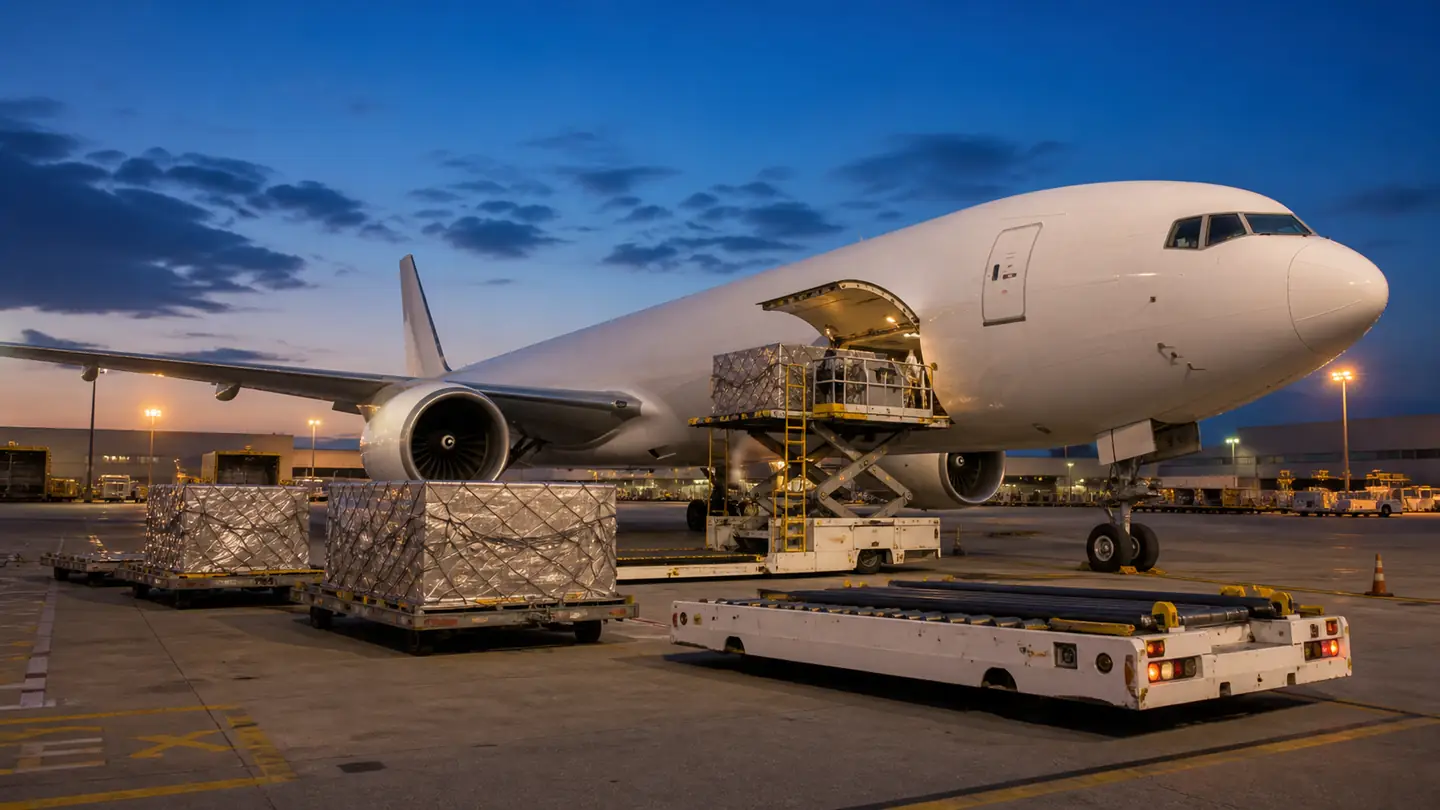
Fastest delivery option for time-sensitive cargo
 🚢
🚢
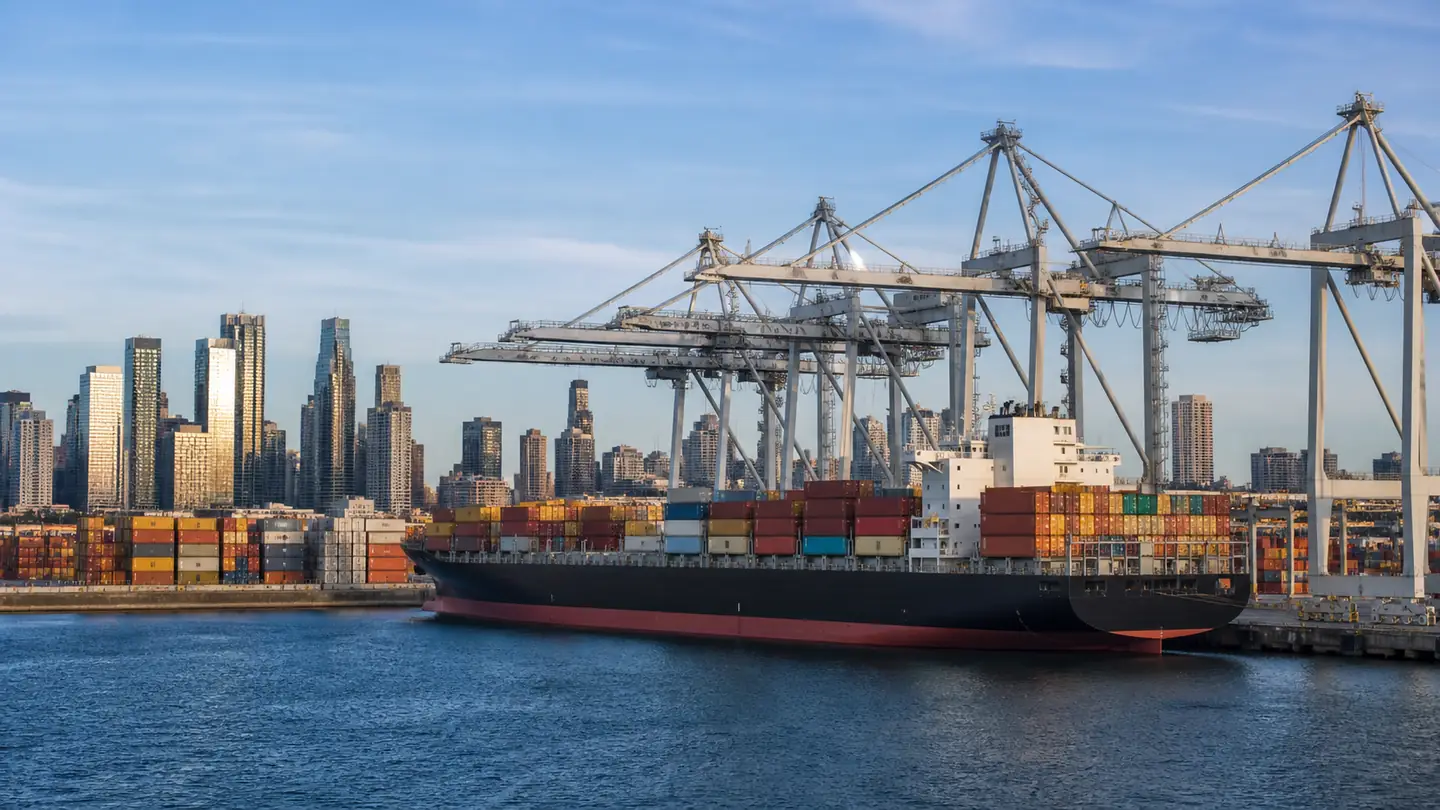
Most economical for large volume shipments
 🚂
🚂
Balanced speed & cost for Europe-bound cargo
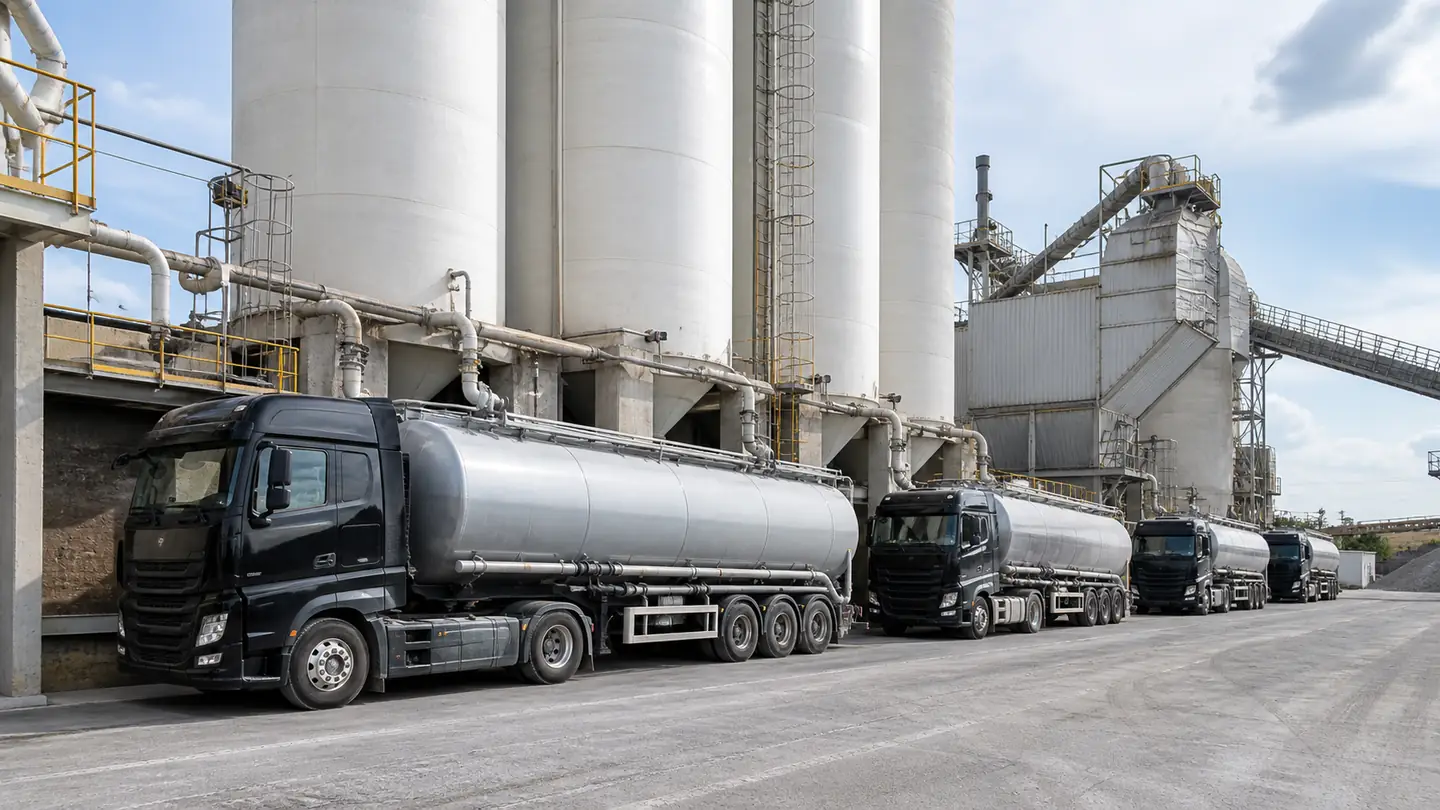
A forwarder is not a carrier. We do not own the ship — we own the problem. That means buying space at rates a single shipper cannot get, and then handling everything the carrier will not touch: collection from your supplier, export clearance, documentation, the transfer at destination, import clearance, and the last leg to your door.
The practical difference shows up when something goes wrong. A booking platform sells you a rate and emails you when the vessel is late. A forwarder re-books you onto the next sailing, tells you before you ask, and has already spoken to the broker at the other end.

Ocean freight from China takes roughly 16 to 24 days to the US west coast, 28 to 38 days to the US east coast, 30 to 40 days to northern Europe and 18 to 28 days to Australia, port to port. Air freight runs 4 to 9 days on the same lanes. Add the inland legs at both ends, and add customs clearance at destination.
| Destination | Main gateways | Sea freight | Air freight |
|---|---|---|---|
| United States — West Coast | Los Angeles, Long Beach, Oakland, Seattle | 16–24 days | 4–7 days |
| United States — East Coast | New York, Savannah, Houston | 28–38 days | 4–7 days |
| United Kingdom | Felixstowe, Southampton | 30–38 days | 5–8 days |
| Northern Europe | Rotterdam, Antwerp, Hamburg | 30–40 days | 5–8 days |
| Australia | Sydney, Melbourne, Brisbane, Fremantle | 18–28 days | 5–9 days |
| Canada | Vancouver, Prince Rupert, Montreal | 18–30 days | 5–9 days |
| Singapore & Malaysia | Singapore, Port Klang | 5–12 days | 3–6 days |
| UAE & Gulf | Jebel Ali, Dammam, Hamad | 18–26 days | 4–8 days |
| South Africa | Durban, Cape Town | 25–34 days | 6–10 days |
| Brazil | Santos, Paranagua, Navegantes | 32–42 days | 6–10 days |
Port-to-port sailing time on direct services. Transhipment adds 5 to 10 days, LCL adds 3 to 7 days at each end for consolidation, and peak season stretches the top of every range. We quote the realistic number rather than the brochure one.
Port-to-port ranges from Chinese base ports. Add the inland leg at both ends, and add clearance time at destination — the numbers below are the sailing, not the door-to-door.
Japan, Korea, Vietnam, Thailand, Malaysia, Indonesia, Philippines
Short sea lanes with weekly or better frequency. Rates are low enough that the inland legs at both ends often cost more than the ocean freight.
Chile, Peru, Colombia, Ecuador
Direct calls from Shanghai, Ningbo, Yantian and Qingdao. Callao and San Antonio take most of the volume; Buenaventura is the Colombian Pacific gateway.

Brazil, Uruguay, Argentina
Santos, Paranagua and Navegantes into Brazil, Montevideo for Uruguay. Brazilian compliance is the long pole here, not the sailing.

United States, Canada, Mexico
West coast is the fast option; Manzanillo and Lazaro Cardenas feed the Mexican manufacturing belt with rail behind them.

Netherlands, Germany, UK, France, Spain, Italy, Greece, Turkey
Rotterdam, Antwerp, Hamburg and Felixstowe on the north range; Valencia, Genoa and Piraeus in the Mediterranean.
Nigeria, Ghana, Kenya, Tanzania, South Africa, Côte d'Ivoire
Where duty-paid service earns its keep — clearance, not the vessel, decides when cargo is actually available.

UAE, Saudi Arabia, Qatar, Oman, Kuwait, Iraq, Jordan
Jebel Ali as the regional hub, with onward road distribution across the GCC.

Germany, Poland, Hungary, Czechia and onward
Roughly half the sea transit at a fraction of air cost. Worth it when the calendar is tight but the budget is not unlimited.
Live rates for these lanes are published on the freight rates pages, and the clearance requirements for each destination are on the customs clearance pages.
The honest answer is volume. Under about 15 CBM a shared container is almost always cheaper; above it you are paying LCL rates for space you could have had for less by taking the whole box. The rest of the decision is about risk and handling.
| FCL — full container | LCL — shared container | |
|---|---|---|
| Best at | 15 CBM and up, or heavy cargo | 2–15 CBM, mixed suppliers |
| Priced by | The box: 20GP, 40GP, 40HQ | Per CBM or per 1,000 kg, whichever is greater |
| Handling | Sealed at origin, opened at destination | Consolidated and deconsolidated — more touches |
| Transit | Fastest — no consolidation wait | Add 3–7 days each end for CFS work |
| Damage risk | Lower; your cargo only | Higher; stacked with other shippers' freight |
| Destination cost | Predictable, one set of terminal charges | CFS and deconsolidation fees vary by port |
Heavy and dense cargo flips the maths earlier than the CBM rule suggests. Steel, stone, machinery and tiles often hit an LCL weight ceiling well before they fill the volume — at that point a 20GP is both cheaper and safer.

Contract rates as filed. Indicative, but not invented.
| Route | Mode | Rate (USD/KG) | Transit | |
|---|---|---|---|---|
| China → Germany | 🚢 Sea | USD 12 | 25-50 days | View → |
| China → France / Poland / Czech / Hungary / Slovakia / Austria / Netherlands / Belgium | 🚢 Sea | USD 14 | 25-50 days | View → |
| China → Spain / Italy / Croatia / Sweden | 🚢 Sea | USD 15 | 25-50 days | View → |
| China → Spain / Italy / Croatia / Sweden | 🚢 Sea | USD 15 | 25-50 days | View → |
| China → France / Poland / Czech / Hungary / Slovakia / Austria / Netherlands / Belgium | 🚢 Sea | USD 14 | 25-50 days | View → |
| China → France / Poland / Czech / Hungary / Slovakia / Austria / Netherlands / Belgium | 🚢 Sea | USD 14 | 25-50 days | View → |

We are a China-based freight forwarder. The calculator on this page is free and always will be — it exists because the hardest part of importing from China is finding out what the shipment will actually cost before you commit to a supplier.
Behind it sits the same team that books the cargo: air out of Guangzhou, Shenzhen, Shanghai and Hong Kong, ocean from Yantian, Nansha, Ningbo and Shanghai, and China–Europe rail from Xi’an, Chengdu and Chongqing.
Origin gateways, terminals and warehouses your cargo passes through between the factory gate and your door.

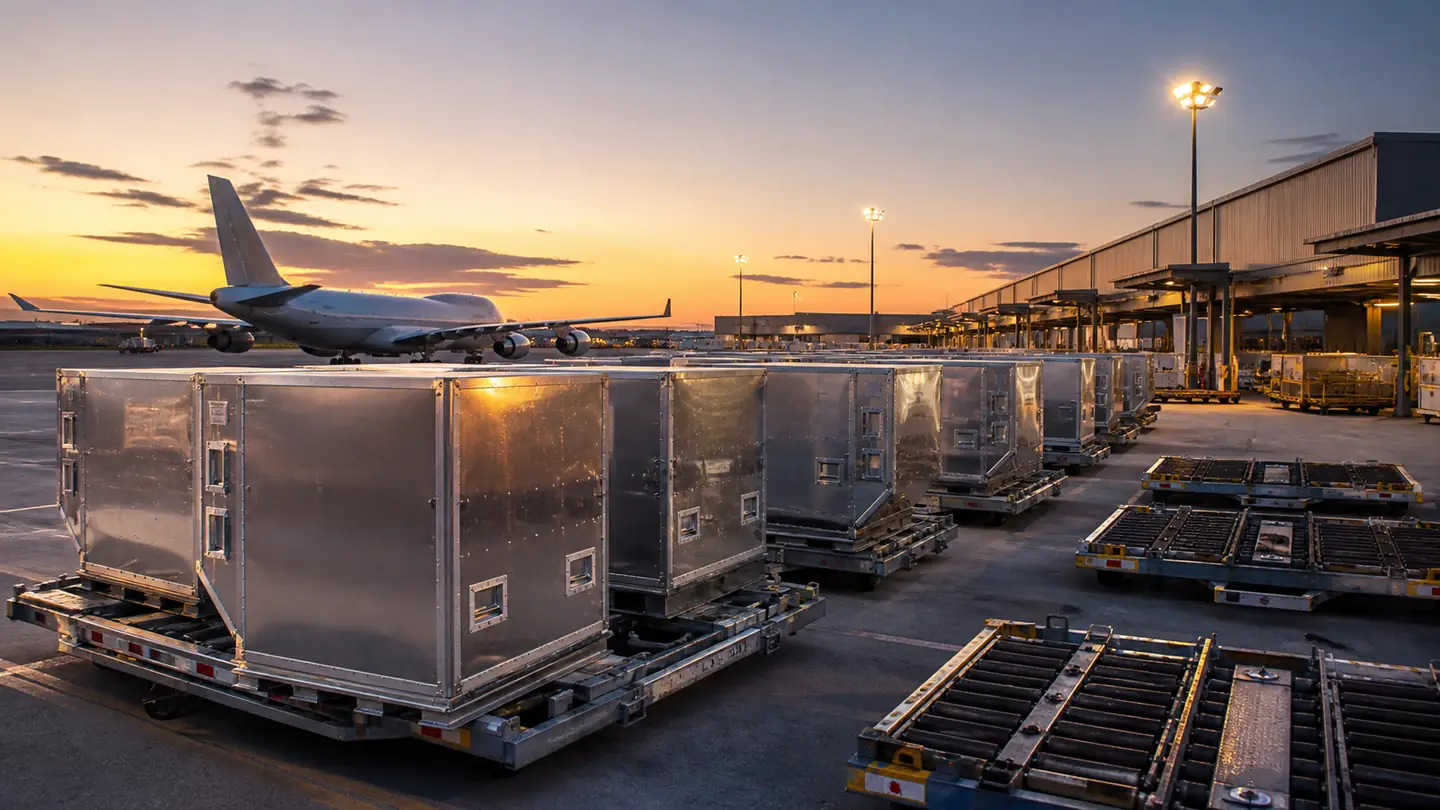
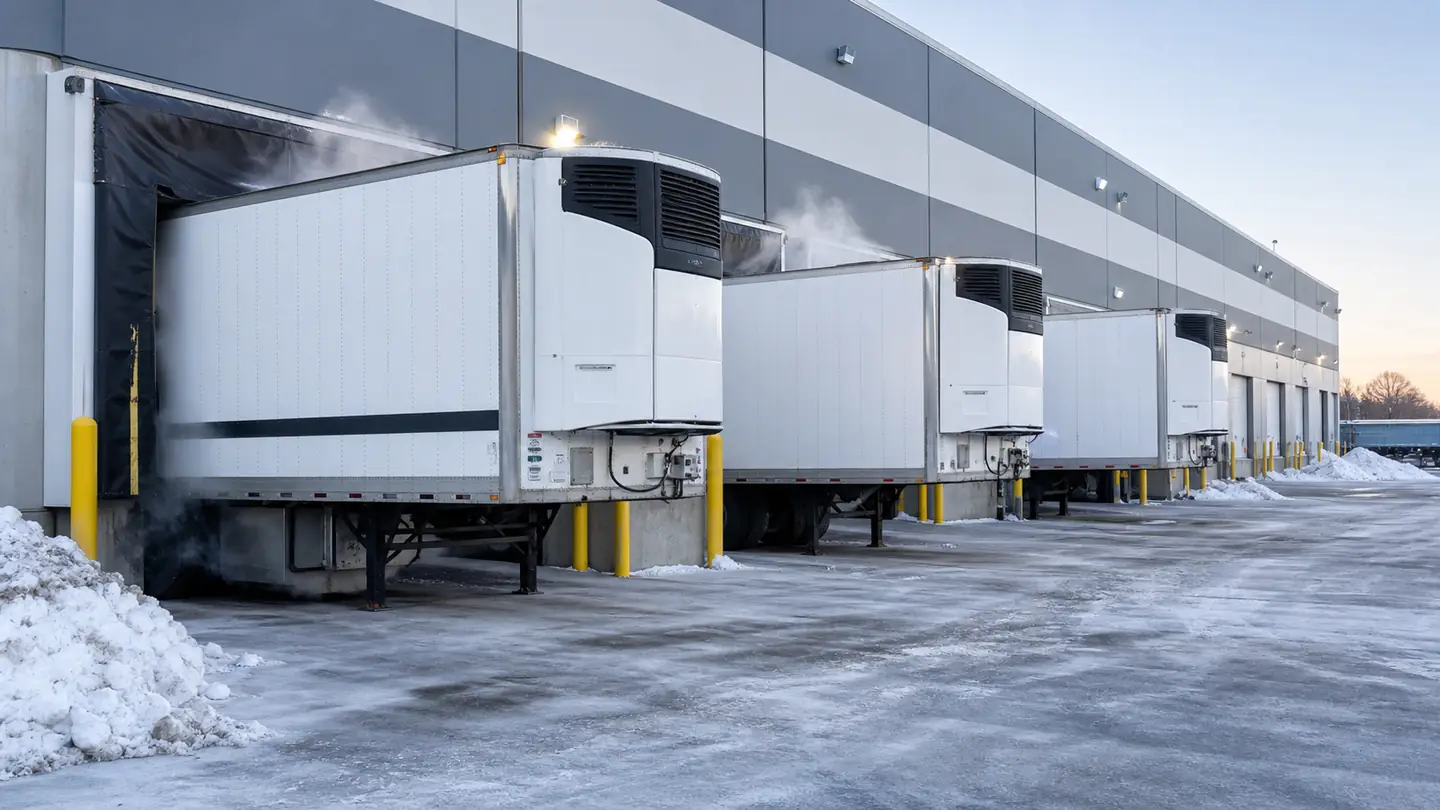


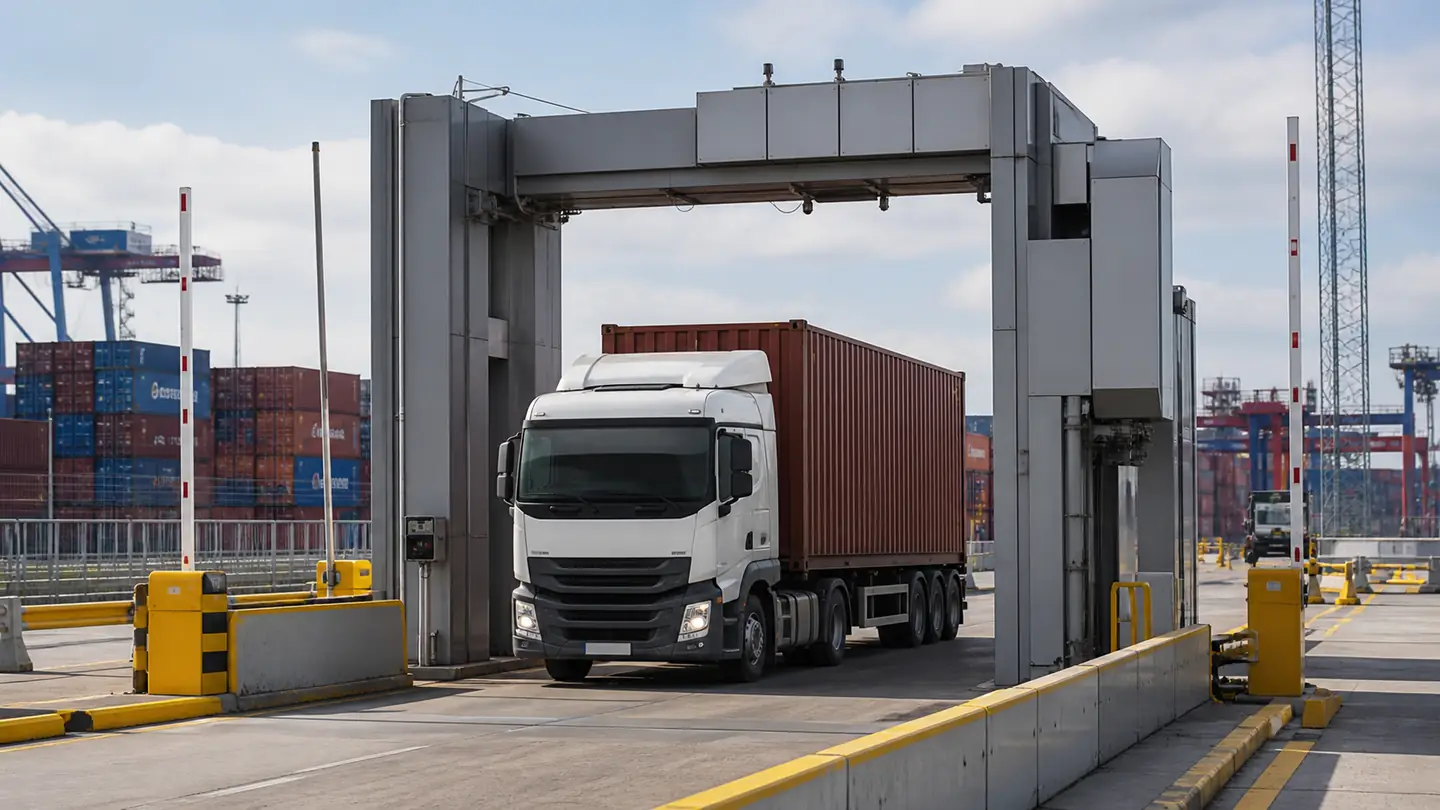
Moving the box is the easy half. We also file the entry — heading, valuation, duty and tax, release — through licensed brokers standing in 160 markets.
U.S. Customs and Border Protection (CBP)
Requirements →German Customs (Zoll)
Requirements →HM Revenue & Customs (HMRC)
Requirements →Nigeria Customs Service (NCS)
Requirements →Receita Federal do Brasil
Requirements →Japan Customs (税関)
Requirements →Sea freight is the cheapest per kilo by a wide margin and is the right answer for most commercial volume. It stops being the right answer when the shipment is small, urgent, or worth far more than the freight.
Cheapest per kilo. Best above roughly 2 CBM, and the only sensible option above 15. Slow and predictable: 16–40 days depending on the lane. Full container below about USD 1 per kilo on most routes.
Fastest. 4–9 days door to door. Typically five to ten times the per-kilo cost of sea, so it earns its place on small, urgent or high-value cargo — samples, replenishment, anything where a stockout costs more than the freight.
The middle option. 18–28 days to Germany, Poland and central Europe — roughly half the sea transit at a fraction of air cost. Useful when the calendar is tight but the budget is not unlimited.
The genuinely cheapest shipment is usually not the cheapest rate — it is the one that clears first time and does not sit accruing storage. We will tell you when air beats sea all-in on a small consignment rather than book the sea shipment anyway.
Most of what moves out of China fits in a dry box and needs nothing clever. The rest is where a forwarder either knows what they are doing or discovers they do not, halfway through loading.
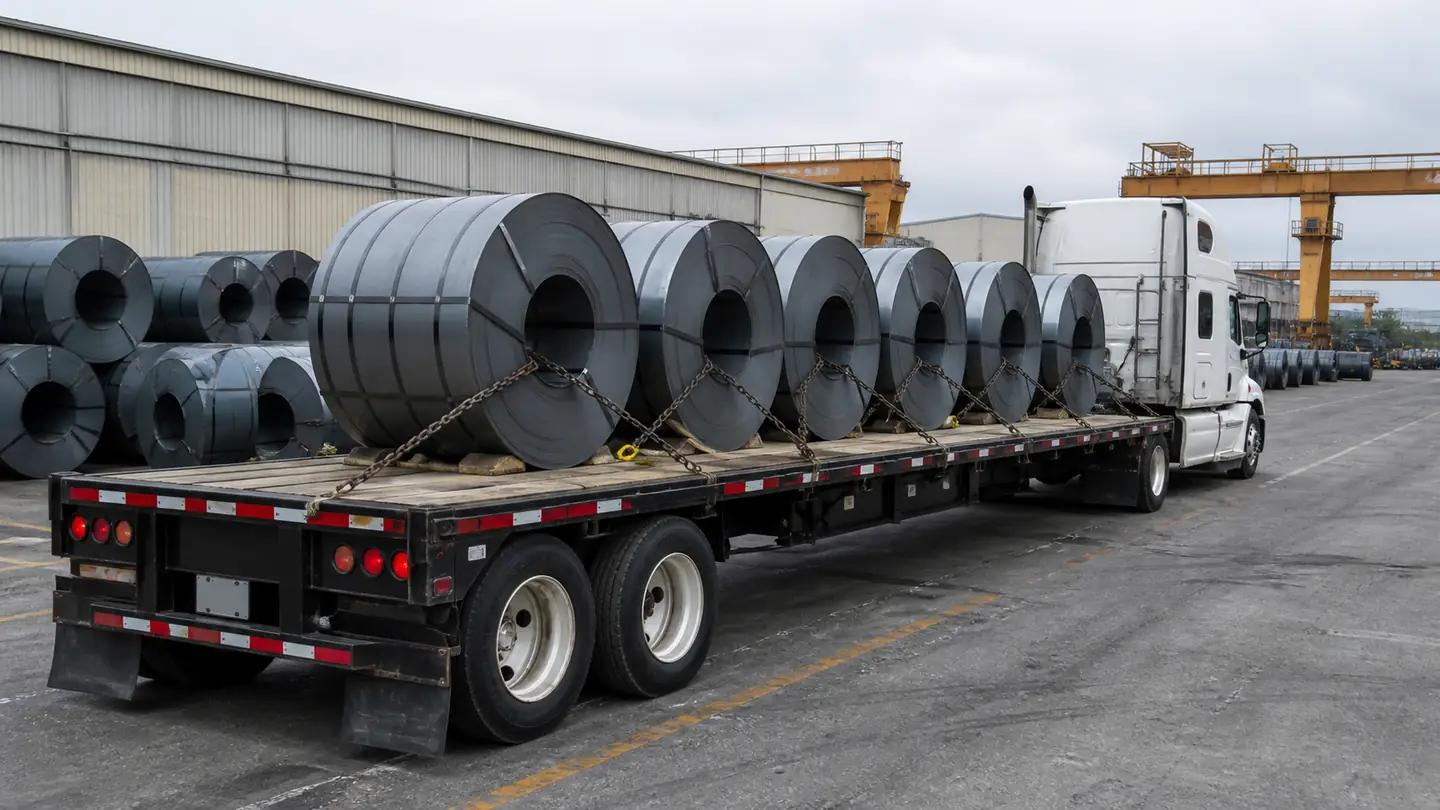
Flat rack and open-top equipment for machinery, moulds, prefabricated structures and anything that will not fit through a container door. Lashing plans and stowage approval handled before the booking is confirmed.

Wheeled and tracked units on roll-on roll-off tonnage where a container is the wrong answer. Documentation for vehicles is its own discipline and we treat it that way.

Reefer containers with set-point monitoring and power at both terminals. Cold chain fails at the handover points, so those are the ones we plan around.
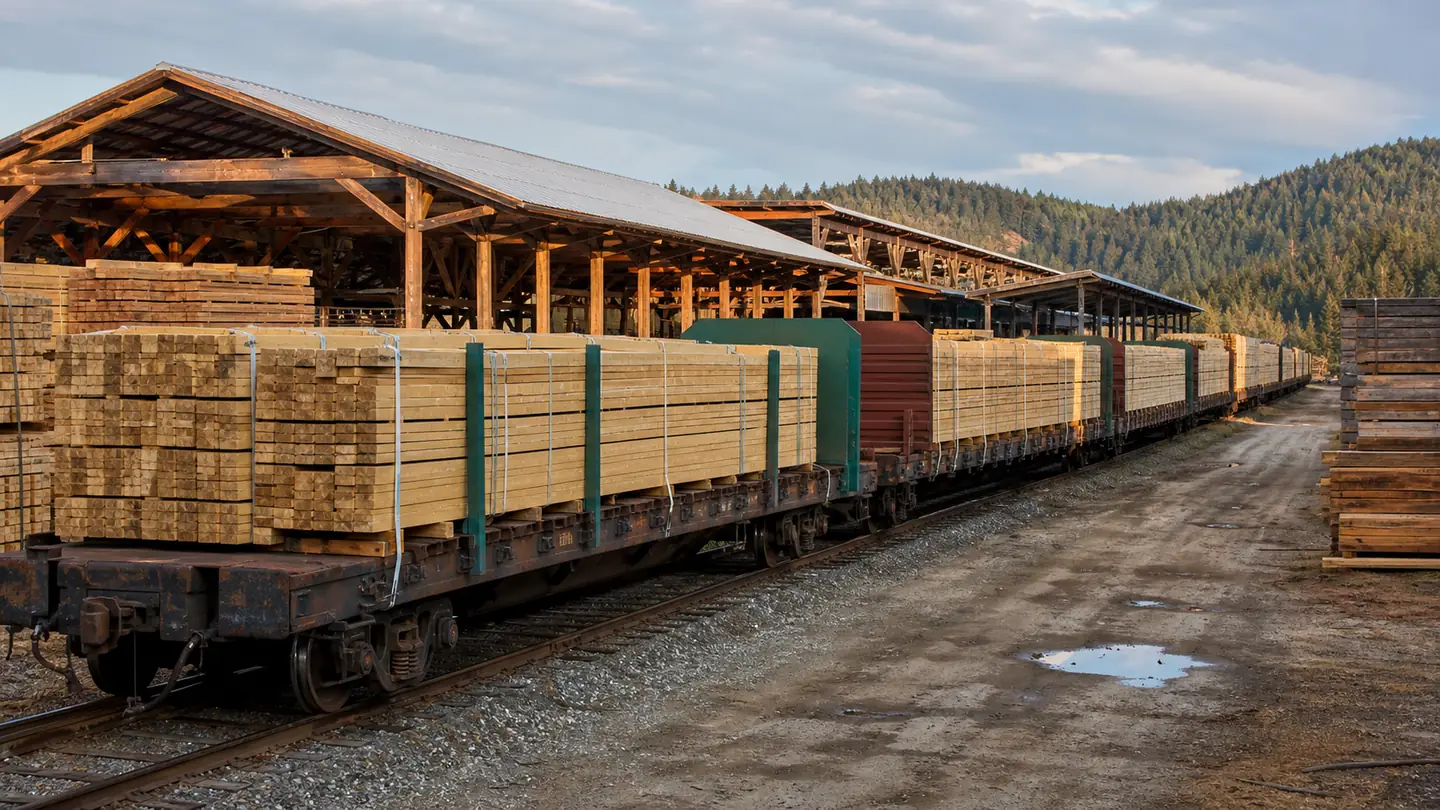
Pieces too large or too heavy to containerise, moved as breakbulk on conventional tonnage. Slower to arrange and worth arranging properly.
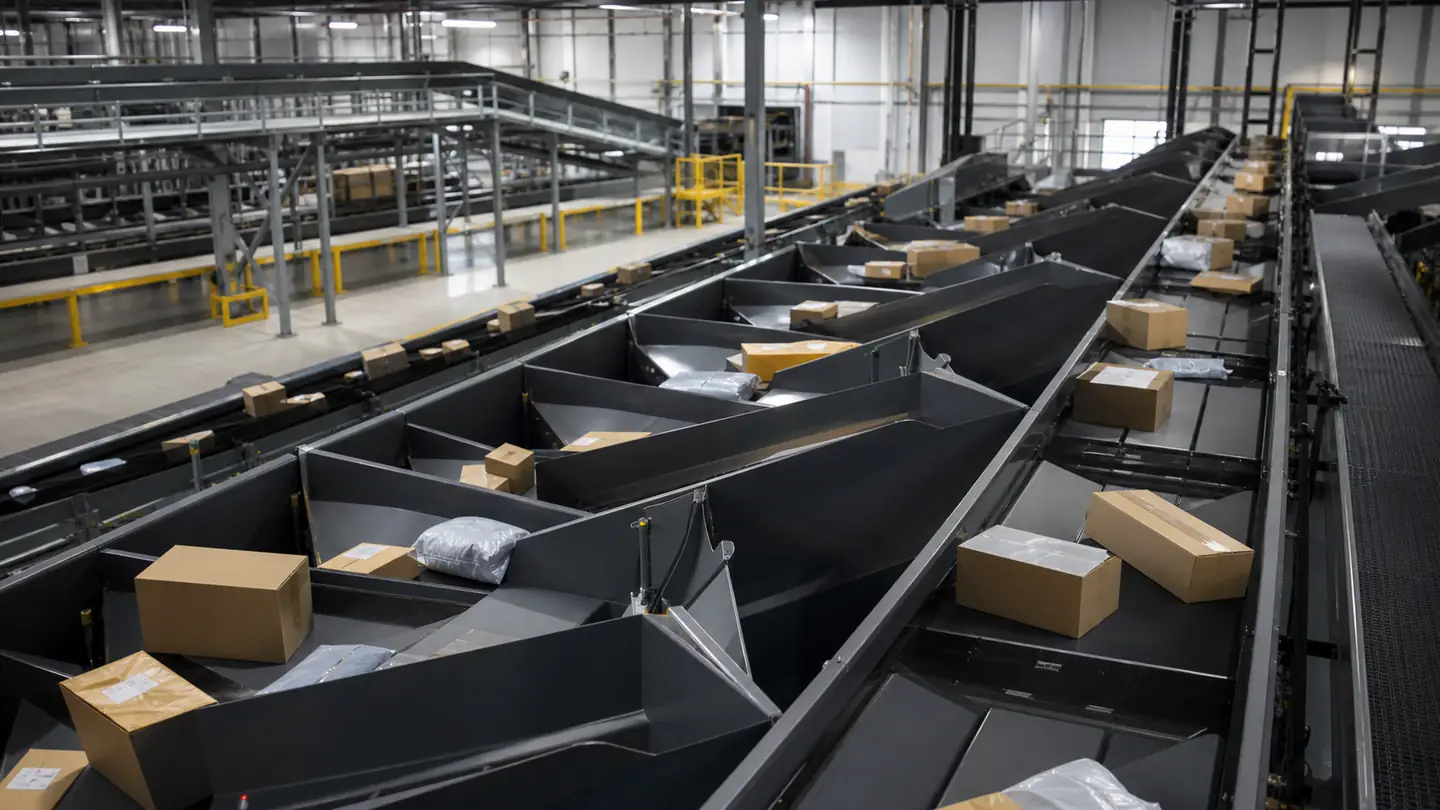
Shipping into a fulfilment centre is a different job from shipping to a warehouse. The appointment, the labelling and the carton spec are as binding as the customs entry, and getting any of them wrong turns a delivery into a rejection.
We move palletised replenishment volume, not single parcels — if you are shipping a handful of units, a courier will beat us on price and we will say so.
A rate that looks unbeatable is usually a rate with things left out of it. These are the lines that make up a landed cost — when you compare quotes, compare them line by line rather than on the headline number.

No forwarder controls a berth window or a customs inspection. What we can control is whether you hear about it early and whether the paperwork gave anyone a reason to look twice.
| Cause | What it costs you | How we handle it |
|---|---|---|
| Port congestion | Days to weeks at the discharge terminal | Alternative gateways priced at booking, so there is a plan B before it is needed |
| Rolled cargo | A missed sailing, typically 7 days | Confirmed allocation on spot rates rather than a rate with no space behind it |
| Customs query | Storage and demurrage while it is resolved | Classification and valuation agreed before departure; entry filed by a licensed local broker |
| Document mismatch | Held entry, sometimes a fine | Invoice, packing list and bill of lading checked against each other before filing |
| Weather and schedule slip | Transit variance of several days | Realistic transit ranges quoted up front — we would rather under-promise |
| Damage in consolidation | Claims, and a customer who waited for nothing | Packing spec agreed for LCL freight; FCL recommended where cargo is fragile or dense |
Intra-Asia lanes run 4 to 16 days. The US west coast is roughly 16 to 30 days, northern Europe 30 to 40, east coast South America 32 to 42, and West Africa 25 to 38. LCL adds 3 to 7 days at each end for consolidation work. Those are port-to-port ranges — add the inland leg at both ends.
There is no hard floor, but under roughly 2 CBM the fixed costs of an ocean shipment stop making sense and air freight is often cheaper all-in. We will tell you when that is the case rather than book the sea shipment anyway.
Yes, in every market we quote freight into. The entry is filed by a licensed broker in that country, and duty and tax are quoted with the freight rather than appearing afterwards. We also clear cargo other forwarders carried.
Yes. Give us the factory address and contact and we arrange collection, export declaration and loading. Multiple suppliers can be consolidated into one container at our origin warehouse.
Freight, destination clearance, duty and import tax, and delivery to your address. What it does not cover is anything caused at your end — waiting time, failed delivery, or storage after free time expires.
Carrier liability is limited by convention and is not insurance in any useful sense. Marine cargo insurance is quoted separately as a percentage of invoice value, and for anything fragile, high-value or dense we would recommend it.
A commercial invoice and packing list that match the goods exactly, plus any product certification the destination requires. Mismatches between the invoice and the transport document are the single most common reason an entry is queried.
They come from the carrier rate sheets we book on and are refreshed when those reissue. Spot allocations move week to week, so the figure you see is a real rate rather than an estimate — reconfirm it against the sailing before you book.
Trade notes, rate movements and the practical detail importers ask us about.
The lane sets the rate; the commodity decides whether the cargo is sellable on arrival. 572 guides covering packing, stowage, HS classification and the clearance step that most often holds a shipment.
Each one covers how the commodity prices, how it should leave the factory, how it should be stowed, and what stops it at the border.
Send the cargo detail and you get a landed-cost figure back on the trade term you actually contracted on, inside a working day.

Answer these and you get a real price, not a range. These are the exact figures a carrier needs before it will quote. Fill them in once and we can price your cargo the same day — leave them out and we have to come back and ask, which is what turns an hour into a week.
A freight specialist is looking at it now. You will have a price by email within one working day.
I need three things to price your cargo. Give me sixty seconds and I can quote today.
A freight specialist is looking at it now. You will have a price by email within one working day.