
Conveyor Belts Shipping from China
Ocean freight for conveyor belts — container selection and loading plan, packing specification, HS classification and import clearance at destination. Quoted EXW, FOB, CIF, CIP or delivered duty-paid.
- Full container, LCL and breakbulk — priced per box, not per kilo
- Loading plan agreed before booking, not improvised at the warehouse
- Classification settled before the vessel sails
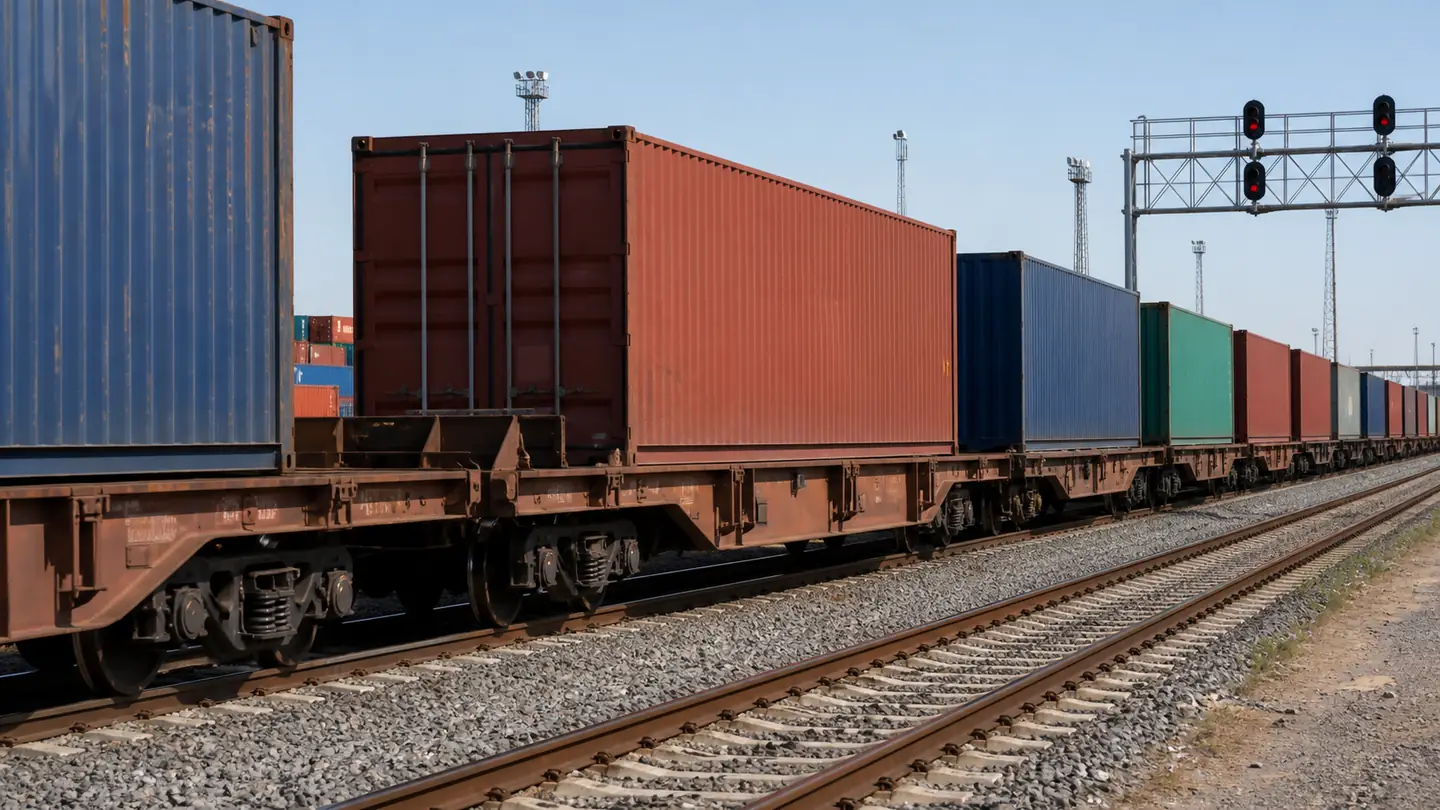
We move Conveyor Belts out of China as ordinary export freight — booked, packed and cleared to the same standard as any other commodity, but planned around the fact that it heavy rolls that flatten and crack if stored on their circumference.
That shapes the quote directly. The classic volume-limited cargo: a container runs out of space with tonnes of capacity unused. Everything about the price follows density, so the honest lever is not the rate but how much air you are shipping.
Worth knowing about conveyor belts specifically. Cracking at a set fold. Rubber and fabric belts that were folded in transit crack along the fold under tension, months after installation.
The paperwork that most often decides whether a consignment clears on time is REACH compliance, and food-contact declarations on packaging grades. Expect HS chapter 39 / 40, with the precise heading depending on grade and construction — confirm it for your specific goods rather than assuming.
Freight reference — Conveyor Belts
| Typical HS chapter | 39 / 40 |
|---|---|
| Cargo behaviour | Heavy rolls that flatten and crack if stored on their circumference |
| How it prices | Volume-limited |
| Usual service | Sea FCL / LCL |
| Main compliance step | REACH compliance, and food-contact declarations on packaging grades |
| Trade terms available | EXW, FOB, CIF, CIP, DAP or delivered duty-paid |
HS chapters are indicative. The binding classification depends on your exact specification — confirm the heading before relying on a duty estimate.
Packing and protection
On the core, suspended or cradled, never resting on the belt face. A flat spot pressed into a belt tracks badly for the rest of its service life.
Loading the container
Stowage: Stack to the ceiling and take the height seriously — an unused foot across a 40ft floor is several cubic metres of paid-for air. Interlock the courses so the stack is self-supporting.
Choosing the service
Service choice: Ocean, and a high cube wherever the cargo will stack: the extra internal height is close to free against what it adds in usable volume. Air is punishing at this density.
Where it usually goes wrong
Cracking at a set fold. Rubber and fabric belts that were folded in transit crack along the fold under tension, months after installation.
Live rates on lanes that carry this cargo
Published per-kilo and per-CBM rates from China, updated from carrier feeds. Rates are lane-based rather than commodity-based, so these apply to conveyor belts as much as to any other general cargo on the same route.
Clearing conveyor belts at destination
The freight is the easy half. What decides whether this cargo lands on time is the HS heading it is entered under, the certification the destination applies to it, and whether the consignee is registered to import it. We file the entry in 160 markets and settle duty and tax as part of the movement, so the classification we quote is the classification that gets used.
Clearance requirements by market →Frequently asked questions
How is freight priced for conveyor belts?
The classic volume-limited cargo: a container runs out of space with tonnes of capacity unused. Everything about the price follows density, so the honest lever is not the rate but how much air you are shipping.
How should conveyor belts be packed for export?
On the core, suspended or cradled, never resting on the belt face. A flat spot pressed into a belt tracks badly for the rest of its service life.
Air or sea for conveyor belts?
Ocean, and a high cube wherever the cargo will stack: the extra internal height is close to free against what it adds in usable volume. Air is punishing at this density.
What customs paperwork does conveyor belts need?
The step that most often holds a shipment is REACH compliance, and food-contact declarations on packaging grades. Classification normally falls in HS chapter 39 / 40, but the exact heading depends on your specification — send the product details and we will confirm the code and the duty position for the destination before you commit.
What goes wrong most often with conveyor belts shipments?
Cracking at a set fold. Rubber and fabric belts that were folded in transit crack along the fold under tension, months after installation.
Is there anything specific to conveyor belts we should know?
Get the specification onto the invoice in the same words the manufacturer uses. Generic descriptions on mixed industrial consignments are the single biggest trigger for customs inspection, and an inspection costs more in delay than accurate paperwork costs in effort.
Can you quote conveyor belts on FOB or CIF rather than duty-paid?
Yes. We quote EXW, FOB, CIF, CIP, DAP and delivered duty-paid on this cargo. The term decides how much of the journey is already inside the price — the trade-terms table on any of our rate pages sets out exactly who carries which cost at each stage.