
Metal Fabrication Shipping from China
Ocean freight for metal fabrication — container selection and loading plan, packing specification, HS classification and import clearance at destination. Quoted EXW, FOB, CIF, CIP or delivered duty-paid.
- Full container, LCL and breakbulk — priced per box, not per kilo
- Loading plan agreed before booking, not improvised at the warehouse
- Classification settled before the vessel sails
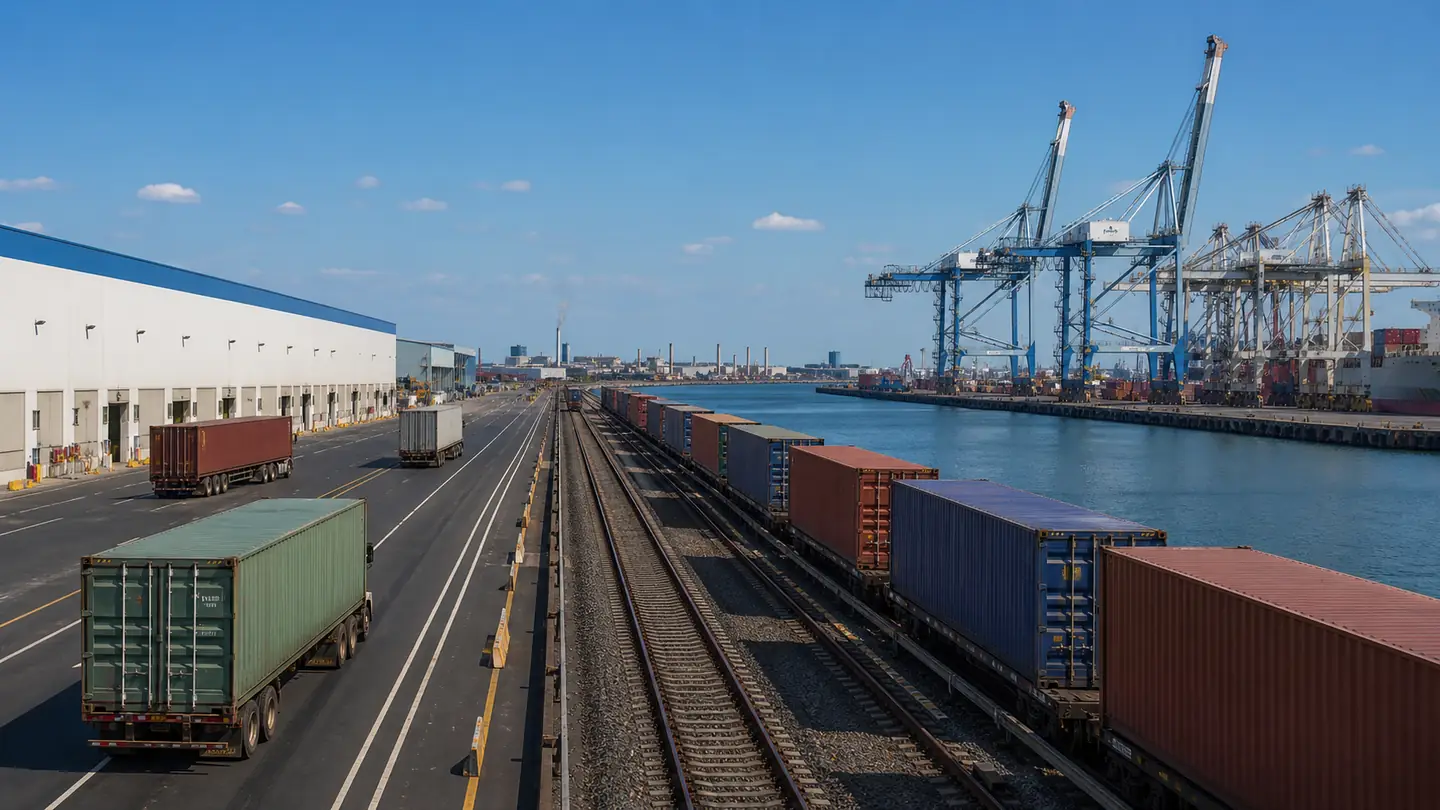
We move Metal Fabrication out of China as ordinary export freight — booked, packed and cleared to the same standard as any other commodity, but planned around the fact that it bespoke assemblies where nothing is a standard size or a standard shape.
It changes how the shipment prices. Volume-limited, and one of the few cargoes where the packing method genuinely changes the cube: vacuum or compression packing can take a third out of the volume, and a third out of the volume is a third off an ocean rate.
One thing specific to this material. Distortion of welded assemblies. A frame that is square in the workshop and racked in transit will not accept its mating parts, and the rework happens on site.
One compliance step accounts for most delays on this commodity: Material certificates; CE marking where the part is load-bearing or safety-critical. Classification sits in chapter 73 / 82 / 83; the exact code varies by specification, so verify it before budgeting duty.
Freight reference — Metal Fabrication
| Typical HS chapter | 73 / 82 / 83 |
|---|---|
| Cargo behaviour | Bespoke assemblies where nothing is a standard size or a standard shape |
| How it prices | Volume-limited |
| Usual service | Sea FCL, air in season |
| Main compliance step | Material certificates; CE marking where the part is load-bearing or safety-critical |
| Trade terms available | EXW, FOB, CIF, CIP, DAP or delivered duty-paid |
HS chapters are indicative. The binding classification depends on your exact specification — confirm the heading before relying on a duty estimate.
Packing and protection
Crate to the assembly rather than to a stock case, brace against racking, and mark lifting points where a crane driver can read them. Each piece is effectively a one-off.
Loading the container
In the box: Solid, even stacking with dunnage between courses. Textiles take the shape of whatever presses into them across four weeks, and a crease set at sea does not always hang out.
Choosing the service
Which service: Ocean for the volume; air only for a season that is already late, where the airfreight is cheaper than the markdown.
Where it usually goes wrong
Distortion of welded assemblies. A frame that is square in the workshop and racked in transit will not accept its mating parts, and the rework happens on site.
Live rates on lanes that carry this cargo
Published per-kilo and per-CBM rates from China, updated from carrier feeds. Rates are lane-based rather than commodity-based, so these apply to metal fabrication as much as to any other general cargo on the same route.
Clearing metal fabrication at destination
The freight is the easy half. What decides whether this cargo lands on time is the HS heading it is entered under, the certification the destination applies to it, and whether the consignee is registered to import it. We file the entry in 160 markets and settle duty and tax as part of the movement, so the classification we quote is the classification that gets used.
Clearance requirements by market →Frequently asked questions
How is freight priced for metal fabrication?
Volume-limited, and one of the few cargoes where the packing method genuinely changes the cube: vacuum or compression packing can take a third out of the volume, and a third out of the volume is a third off an ocean rate.
How should metal fabrication be packed for export?
Crate to the assembly rather than to a stock case, brace against racking, and mark lifting points where a crane driver can read them. Each piece is effectively a one-off.
Air or sea for metal fabrication?
Ocean for the volume; air only for a season that is already late, where the airfreight is cheaper than the markdown.
What customs paperwork does metal fabrication need?
The step that most often holds a shipment is Material certificates; CE marking where the part is load-bearing or safety-critical. Classification normally falls in HS chapter 73 / 82 / 83, but the exact heading depends on your specification — send the product details and we will confirm the code and the duty position for the destination before you commit.
What goes wrong most often with metal fabrication shipments?
Distortion of welded assemblies. A frame that is square in the workshop and racked in transit will not accept its mating parts, and the rework happens on site.
Is there anything specific to metal fabrication we should know?
Textiles absorb and hold moisture, then mildew. Line the container walls, add desiccant proportioned to the load, and never stuff bales still warm from a press.
Can you quote metal fabrication on FOB or CIF rather than duty-paid?
Yes. We quote EXW, FOB, CIF, CIP, DAP and delivered duty-paid on this cargo. The term decides how much of the journey is already inside the price — the trade-terms table on any of our rate pages sets out exactly who carries which cost at each stage.