
Air Freight from China to Le Port
China → Le Port · via RUN air / Port Reunion sea · clearance by Douane française (EU customs territory)
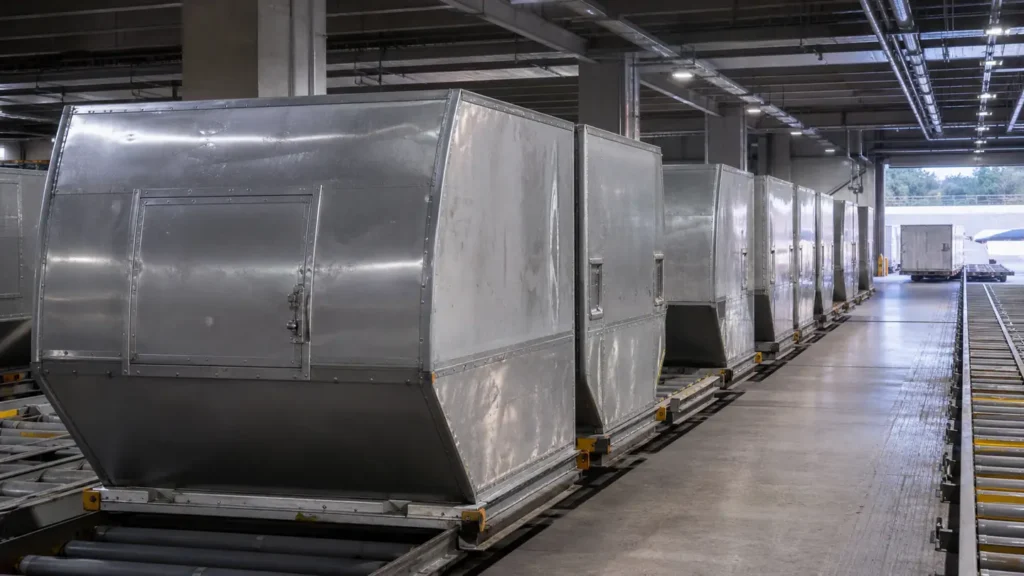
Le Port is the container port district, and it is served through RUN air / Port Reunion sea. That combination is what actually sets your delivery date on this lane — the inland leg is same-day, so the clearance date is effectively the delivery date.
Clearance itself is handled by Douane française (EU customs territory), and typical dwell at the gateway runs 3–8 days.
Duty, tax and clearance into Le Port
Douane française (EU customs territory) assesses duty and tax on cargo arriving for Le Port consignees. Current regime: Reduced VAT of 8.5% plus octroi de mer — a local dock due of 6.5–60% that is unique to the French overseas departments, with a de-minimis position of EUR 150 for duty; VAT applies from the first euro.
Conformity is the part most first-time importers underestimate: CE marking under EU rules; French labeling requirements. Getting this wrong is expensive because it usually cannot be fixed after the cargo has landed.
Restrictions and known friction points for Reunion: Octroi de mer is the dominant cost element and varies by product and local production status. EU rules otherwise apply in full, including CE marking and French labeling.
Routing and transit on this lane
Réunion is part of the EU customs territory, so EU tariff and CE marking rules apply — but the octroi de mer dock due, which does not exist in mainland France, can add far more to landed cost than the customs duty itself. Its rate depends on whether an equivalent product is made locally, so classification research genuinely pays here.
| Air gateways used | RUN (Saint-Denis Roland Garros) |
|---|---|
| Air transit, China to gateway | 5–8 business days |
| Gateway serving Le Port | RUN air / Port Reunion sea |
| Inland leg to Le Port | Same day from the gateway |
| Typical clearance / dwell | 3–8 days |
| Peak season to plan around | Sep–Nov |
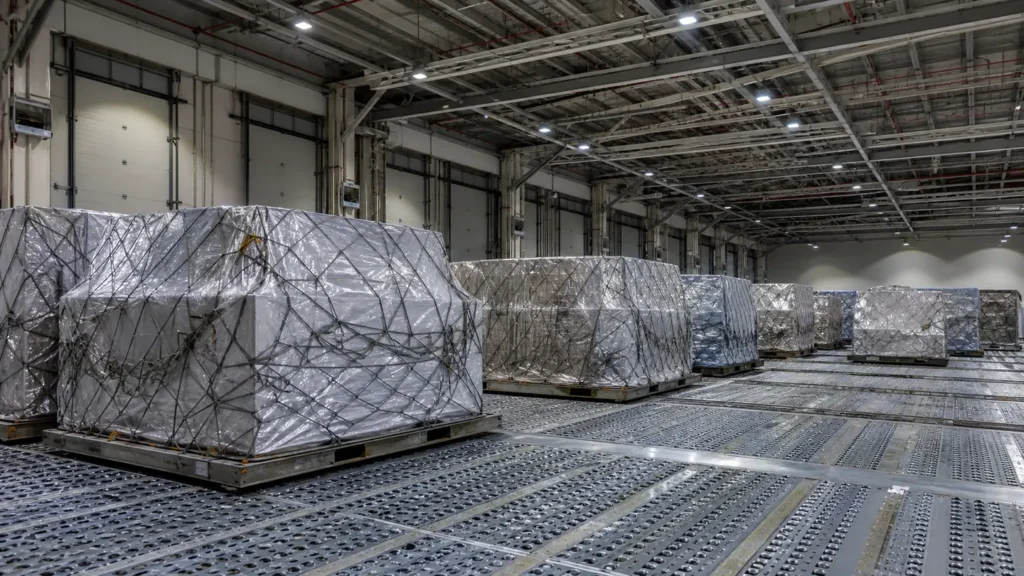
Pre-shipment checklist for Le Port
- Confirm the consignee in Le Port can act as importer of record — Douane française (EU customs territory) will not release cargo to an unregistered party.
- Budget for the inland leg: same-day delivery beyond gateway clearance to reach Le Port.
- Get the conformity paperwork moving early: CE marking under EU rules; French labeling requirements.
- Declare lithium batteries, magnets, liquids and powders up front — retro-declaring after booking usually means re-planning the whole shipment.
- Book earlier than the transit time suggests during Sep–Nov, when space on this lane tightens.
- Put the Le Port delivery address, contact name and phone number on the invoice, not just the packing list.
Frequently asked questions
How long does shipping from China to Le Port take?
China to the Reunion gateway is 5–8 business days. On top of that, allow 3–8 days of clearance with Douane française (EU customs territory) and a same-day inland leg to Le Port.
What duty and tax will I pay importing into Le Port?
Douane française (EU customs territory) applies: Reduced VAT of 8.5% plus octroi de mer — a local dock due of 6.5–60% that is unique to the French overseas departments. The de-minimis position is EUR 150 for duty; VAT applies from the first euro. Under a DDP arrangement these are pre-paid, so nothing is collected on arrival in Le Port.
What certification do I need for Reunion?
For regulated goods, plan for: CE marking under EU rules; French labeling requirements. Missing conformity paperwork is the single most common cause of a hold, and in most cases it cannot be remedied once the cargo has arrived.
Can you ship batteries or sensitive cargo to Le Port?
Yes. Battery cargo by air follows IATA PI 965–970 depending on how the cells are packed, and moves on certified channels via RUN (Saint-Denis Roland Garros). Surcharges apply and the declaration has to be made before booking.
Which port or airport does cargo for Le Port clear through?
Cargo for Le Port is routed via RUN air / Port Reunion sea. Sea gateways for Reunion are Port Réunion (Le Port); air gateways are RUN (Saint-Denis Roland Garros). We pick whichever gives the shortest total door time for your address.
Can you deliver door-to-door in Le Port?
Yes. Delivery to a Le Port address is quoted as one figure covering freight, duty and tax owed to Douane française (EU customs territory), and the same-day inland leg. Confirm whether your consignee wants the goods at a warehouse, a marketplace fulfillment center or a shop front, because the last-mile requirement differs.
Other delivery cities in Reunion
References & official sources
Duty rates, thresholds and conformity requirements for Reunion change by ministerial decision, sometimes mid-year. The figures on this page are buyer-planning references, not a customs ruling — confirm the current position for your own HS code with Douane française (EU customs territory) or your broker before you ship.
- Douane française
- Octroi de mer — French overseas dock dues
- WTO — Tariff Profiles (applied MFN duty by country)
- ICC — Incoterms 2020 rules (DDP, DAP, FOB definitions)
- IPPC — ISPM 15 wood packaging standard
- WCO — Harmonized System nomenclature
- IMO — IMDG Code for dangerous goods by sea
Page data last reviewed: 10 月 2026.
Shipping by industry
This page covers the route and clearance picture for the destination. Packing, classification and the compliance step that actually holds a shipment depend on what you are sending — these guides cover that by commodity.
- Hotel Furniture Furniture & Home Products
- Textiles Textiles, Apparel, Footwear & Leather
- Restaurant Furniture Retail, Display & Commercial Fixtures
- Metal Fabrication Metal Products & Industrial Components
- Pressure Vessels Metal Products & Industrial Components
- Switchgear New Energy, Power & Electrical
- Doors & Windows Building Materials & Construction Products
- Corrugated Packaging Wood, Bamboo & Paper Products
- Glass Packaging Plastics, Rubber & Packaging
- Kitchenware Furniture & Home Products
- Home Textiles Textiles, Apparel, Footwear & Leather
- Inflatable Products Toys, Sports, Outdoor & Leisure
Checking the Reunion duty position yourself
Duty and tax figures on this page are planning estimates. The binding assessment is made by Douane française (EU customs territory) against your declared HS code at the time of entry; where the amount is material, verify the current rate through ITC Market Access Map before committing to an order.
Classification drives everything downstream: the same carton can attract very different duty depending on the heading it lands in, and the structure those headings come from is the World Customs Organization Harmonized System. If your product sits near a boundary between two headings, resolve it before shipping rather than at the border.
On the air side, anything with a cell or a battery in it, plus liquids, powders, magnets and aerosols, is governed by the IATA Dangerous Goods Regulations. Those articles are not refused outright, but they need to be declared at booking so the shipment is built correctly — declaring them late is the single most common cause of an air consignment being offloaded.
Watch: the process behind this route
This guide covers routing and clearance for Le Port. The video below covers the wider shipping process that sits around it.
4 Key Stages to US Customs Clearance — USA Customs Clearance. Published on YouTube by a third party; we link it because it explains the process well, not because we produced it or endorse the provider.
Customs clearance in Reunion
Duty and tax position, certification, typical port dwell and what actually holds shipments at this border — plus who files the entry.
Reunion clearance requirements →