
Air Freight from China to Subic Bay
China → Subic Bay · via MNL air / Subic Bay sea · clearance by Bureau of Customs (BOC)
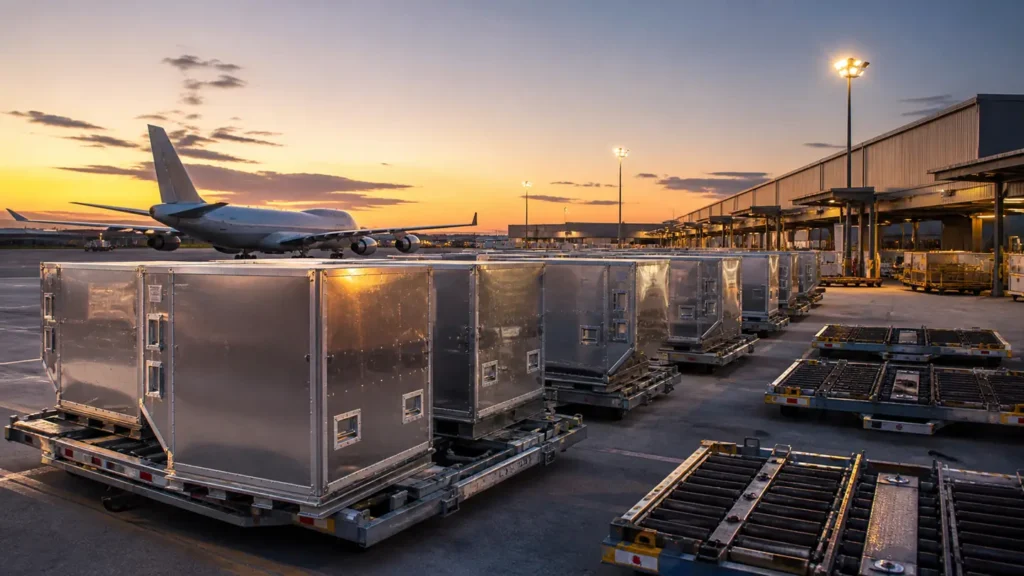
Freight from China into Subic Bay clears through MNL air / Subic Bay sea. Subic Bay is the former naval base now handling project and industrial cargo, and allow +1 day for the inland leg on top of clearance.
On the destination side, Bureau of Customs (BOC) handles clearance; budget 4–9 days of dwell before the cargo is released.
Routing and transit on this lane
Manila port congestion is the defining risk on this lane — dwell can double during the Q4 retail build-up. Cebu and Davao are viable direct calls for Visayas and Mindanao consignees and often clear faster than Manila, so it is worth quoting the regional port rather than trucking from MICT.
| Air gateways used | MNL (Manila), CEB (Cebu), CRK (Clark) |
|---|---|
| Air transit, China to gateway | 3–5 business days |
| Gateway serving Subic Bay | MNL air / Subic Bay sea |
| Inland leg to Subic Bay | +1 day from the gateway |
| Typical clearance / dwell | 4–9 days |
| Peak season to plan around | Sep–Nov |
Import duty and tax position for Subic Bay
Imports into Philippines are cleared by Bureau of Customs (BOC). The headline position is: VAT 12%; duty 0–30%, with ACFTA preference available on a Form E. The de-minimis threshold is PHP 10,000.
Conformity is the part most first-time importers underestimate: BPS Import Commodity Clearance for regulated products; FDA license for food, cosmetics and devices; NTC for radio equipment. Getting this wrong is expensive because it usually cannot be fixed after the cargo has landed.
Restrictions and known friction points for Philippines: Consolidated 'balikbayan'-style mixed cargo attracts extra scrutiny. Used clothing is prohibited. Alert Orders and physical examination are common, so allow buffer days on any deadline-driven shipment.
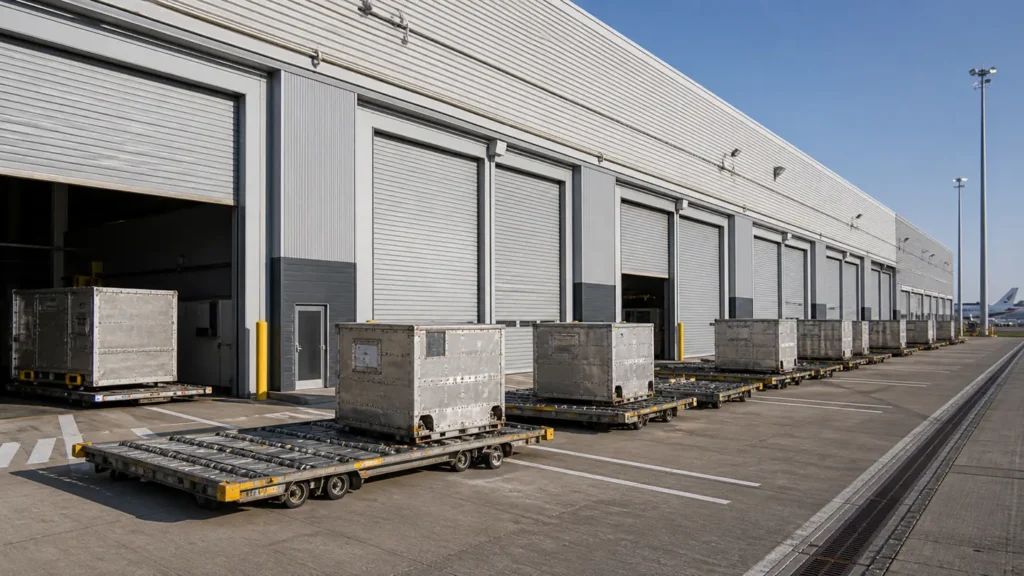
What to sort out before the cargo leaves China
- Get the conformity paperwork moving early: BPS Import Commodity Clearance for regulated products; FDA license for food, cosmetics and devices; NTC for radio equipment.
- Use ISPM-15 treated pallets. Untreated wood is the most common reason otherwise-clean cargo gets held.
- Budget for the inland leg: +1 day beyond gateway clearance to reach Subic Bay.
- Ask for the HS code in writing from your supplier and verify the Philippines duty rate against it yourself.
- Compare gross weight against volumetric weight (L×W×H ÷ 6000) — the higher figure is what gets billed on air and express.
- Plan around the China-side windows too: Chinese New Year and Golden Week both compress capacity on the Philippines lane.
Frequently asked questions
How long does shipping from China to Subic Bay take?
China to the Philippines gateway is 3–5 business days. On top of that, allow 4–9 days of clearance with Bureau of Customs (BOC) and a +1 day inland leg to Subic Bay.
What duty and tax will I pay importing into Subic Bay?
Bureau of Customs (BOC) applies: VAT 12%; duty 0–30%, with ACFTA preference available on a Form E. The de-minimis position is PHP 10,000. Under a DDP arrangement these are pre-paid, so nothing is collected on arrival in Subic Bay.
Can you deliver door-to-door in Subic Bay?
Yes. Delivery to a Subic Bay address is quoted as one figure covering freight, duty and tax owed to Bureau of Customs (BOC), and the +1 day inland leg. Confirm whether your consignee wants the goods at a warehouse, a marketplace fulfillment center or a shop front, because the last-mile requirement differs.
How is the chargeable weight calculated for Subic Bay?
We compare actual gross weight against volumetric weight — length × width × height in centimeters divided by 6000 for air — and bill the greater of the two, rounded up to the next kilogram. Light, bulky cargo is almost always billed on volume.
When is the busiest time on the China–Philippines lane?
Space and rates tighten around Sep–Nov, plus the China-side windows of Chinese New Year in January or February and Golden Week in early October. Book one to two weeks earlier in those periods.
Which port or airport does cargo for Subic Bay clear through?
Cargo for Subic Bay is routed via MNL air / Subic Bay sea. Sea gateways for Philippines are Manila (MICT and South Harbor), Cebu, Davao; air gateways are MNL (Manila), CEB (Cebu), CRK (Clark). We pick whichever gives the shortest total door time for your address.
Other delivery cities in Philippines
References & official sources
Duty rates, thresholds and conformity requirements for Philippines change by ministerial decision, sometimes mid-year. The figures on this page are buyer-planning references, not a customs ruling — confirm the current position for your own HS code with Bureau of Customs (BOC) or your broker before you ship.
- Bureau of Customs
- Bureau of Product Standards
- WTO — Tariff Profiles (applied MFN duty by country)
- World Bank — Logistics Performance Index
- ICC — Incoterms 2020 rules (DDP, DAP, FOB definitions)
- IPPC — ISPM 15 wood packaging standard
- WCO — Harmonized System nomenclature
Page data last reviewed: 10 月 2026.
Shipping by industry
This page covers the route and clearance picture for the destination. Packing, classification and the compliance step that actually holds a shipment depend on what you are sending — these guides cover that by commodity.
- Wall Panels Building Materials & Construction Products
- Injection Molded Parts Plastics, Rubber & Packaging
- Furniture Furniture & Home Products
- Home Storage Products Furniture & Home Products
- Exhibition Display Equipment Retail, Display & Commercial Fixtures
- Aluminum Coils Steel & Metal Materials
- Pipe Fittings Metal Products & Industrial Components
- Generators New Energy, Power & Electrical
- Ceramic Tiles Building Materials & Construction Products
- Paper Packaging Wood, Bamboo & Paper Products
- Packaging Materials Plastics, Rubber & Packaging
- Laboratory Furniture Furniture & Home Products
Checking the Philippines duty position yourself
Every duty and tax figure quoted on this page is our working estimate for planning, not a ruling. The binding rate for your consignment is whatever Philippine Bureau of Customs applies against your declared HS code on the day of entry, and their published guidance is the source to check before you commit stock.
Most landed-cost surprises trace back to classification rather than freight. the WCO Harmonized System defines the heading structure every customs administration builds on, and ITC Market Access Map will show you the duty a given heading attracts in this destination.
On the air side, anything with a cell or a battery in it, plus liquids, powders, magnets and aerosols, is governed by the IATA Dangerous Goods Regulations. Those articles are not refused outright, but they need to be declared at booking so the shipment is built correctly — declaring them late is the single most common cause of an air consignment being offloaded.
If this is your first shipment into Philippines, the Philippines Country Commercial Guide covers the practical import environment in more depth than a rate page reasonably can, and it is written by a party with no stake in your booking.
Watch: the process behind this route
This guide covers routing and clearance for Subic Bay. The video below covers the wider shipping process that sits around it.
What Is Chargeable Weight in Air Freight? — Smart Logistics Network. Published on YouTube by a third party; we link it because it explains the process well, not because we produced it or endorse the provider.
Customs clearance in Philippines
Duty and tax position, certification, typical port dwell and what actually holds shipments at this border — plus who files the entry.
Philippines clearance requirements →Priced routes to Philippines
- Shipping a Container from Shekou to Manila South: Cost & Transit
- Nansha to Cebu FCL Ocean Freight Rates | 20GP & 40HQ
- Xiamen to Cagayan de Oro Container Shipping — 20GP Rates
- Nansha to Davao FCL Ocean Freight Rates | 20GP & 40HQ
- Xiamen to Davao FCL Ocean Freight Rates | 20GP & 40HQ
- Nansha to Manila North Container Shipping — 20GP Rates