
Injection Molded Parts Shipping from China
Ocean freight for injection molded parts — container selection and loading plan, packing specification, HS classification and import clearance at destination. Quoted EXW, FOB, CIF, CIP or delivered duty-paid.
- Full container, LCL and breakbulk — priced per box, not per kilo
- Loading plan agreed before booking, not improvised at the warehouse
- Classification settled before the vessel sails
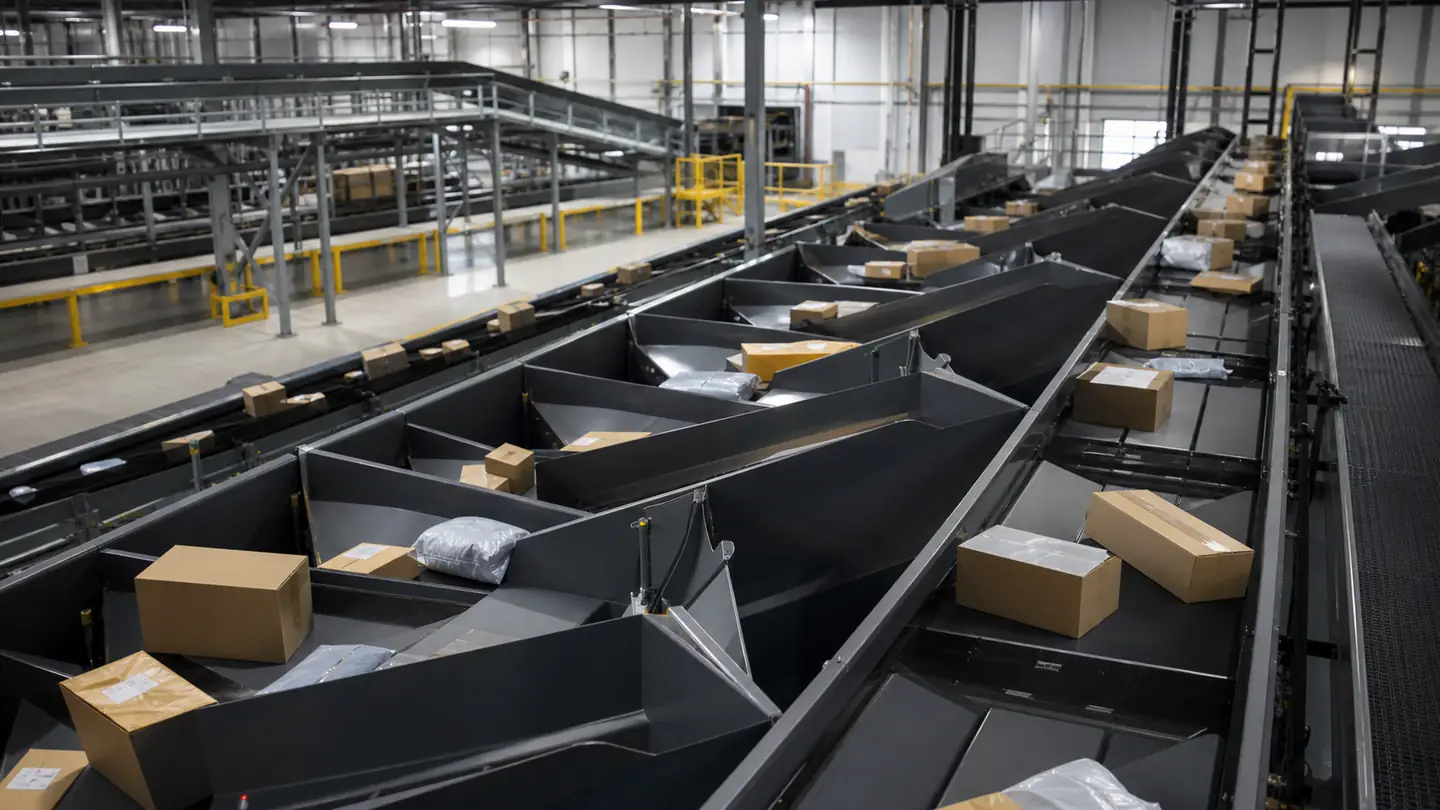
For Injection Molded Parts, the freight quote is the easy part. What matters is that this cargo high-count small components where the count is the deliverable — get that wrong and the rate becomes irrelevant.
The pricing follows from it. The classic volume-limited cargo: a container runs out of space with tonnes of capacity unused. Everything about the price follows density, so the honest lever is not the rate but how much air you are shipping.
A caution particular to this commodity. Quantity discrepancies. On parts shipped by the hundred thousand a one percent variance is invisible in the box and material on the assembly line.
On the compliance side the recurring item is straightforward to state and easy to leave too late: REACH compliance, and food-contact declarations on packaging grades. HS classification generally falls in chapter 39 / 40, though the exact heading depends on specification and should be confirmed against your own product before you rely on a duty estimate.
Freight reference — Injection Molded Parts
| Typical HS chapter | 39 / 40 |
|---|---|
| Cargo behaviour | High-count small components where the count is the deliverable |
| How it prices | Volume-limited |
| Usual service | Sea FCL / LCL |
| Main compliance step | REACH compliance, and food-contact declarations on packaging grades |
| Trade terms available | EXW, FOB, CIF, CIP, DAP or delivered duty-paid |
HS chapters are indicative. The binding classification depends on your exact specification — confirm the heading before relying on a duty estimate.
Packing and protection
Bagged in verified quantities, boxed to a countable unit, palletised uniformly. Counting a shortfall at destination is far more expensive than counting correctly at origin.
Loading the container
On loading: Stack to the ceiling and take the height seriously — an unused foot across a 40ft floor is several cubic metres of paid-for air. Interlock the courses so the stack is self-supporting.
Choosing the service
On routing: Ocean, and a high cube wherever the cargo will stack: the extra internal height is close to free against what it adds in usable volume. Air is punishing at this density.
Where it usually goes wrong
Quantity discrepancies. On parts shipped by the hundred thousand a one percent variance is invisible in the box and material on the assembly line.
Live rates on lanes that carry this cargo
Published per-kilo and per-CBM rates from China, updated from carrier feeds. Rates are lane-based rather than commodity-based, so these apply to injection molded parts as much as to any other general cargo on the same route.
Clearing injection molded parts at destination
The freight is the easy half. What decides whether this cargo lands on time is the HS heading it is entered under, the certification the destination applies to it, and whether the consignee is registered to import it. We file the entry in 160 markets and settle duty and tax as part of the movement, so the classification we quote is the classification that gets used.
Clearance requirements by market →Frequently asked questions
How is freight priced for injection molded parts?
The classic volume-limited cargo: a container runs out of space with tonnes of capacity unused. Everything about the price follows density, so the honest lever is not the rate but how much air you are shipping.
How should injection molded parts be packed for export?
Bagged in verified quantities, boxed to a countable unit, palletised uniformly. Counting a shortfall at destination is far more expensive than counting correctly at origin.
Air or sea for injection molded parts?
Ocean, and a high cube wherever the cargo will stack: the extra internal height is close to free against what it adds in usable volume. Air is punishing at this density.
What customs paperwork does injection molded parts need?
The step that most often holds a shipment is REACH compliance, and food-contact declarations on packaging grades. Classification normally falls in HS chapter 39 / 40, but the exact heading depends on your specification — send the product details and we will confirm the code and the duty position for the destination before you commit.
What goes wrong most often with injection molded parts shipments?
Quantity discrepancies. On parts shipped by the hundred thousand a one percent variance is invisible in the box and material on the assembly line.
Is there anything specific to injection molded parts we should know?
Plastic mouldings deform under sustained load and in heat. Keep stacks low, and remember a container in the tropics runs well above ambient for days at a time.
Can you quote injection molded parts on FOB or CIF rather than duty-paid?
Yes. We quote EXW, FOB, CIF, CIP, DAP and delivered duty-paid on this cargo. The term decides how much of the journey is already inside the price — the trade-terms table on any of our rate pages sets out exactly who carries which cost at each stage.