Locks & Safes Shipping from China
Ocean freight for locks & safes — container selection and loading plan, packing specification, HS classification and import clearance at destination. Quoted EXW, FOB, CIF, CIP or delivered duty-paid.
- Full container, LCL and breakbulk — priced per box, not per kilo
- Loading plan agreed before booking, not improvised at the warehouse
- Classification settled before the vessel sails
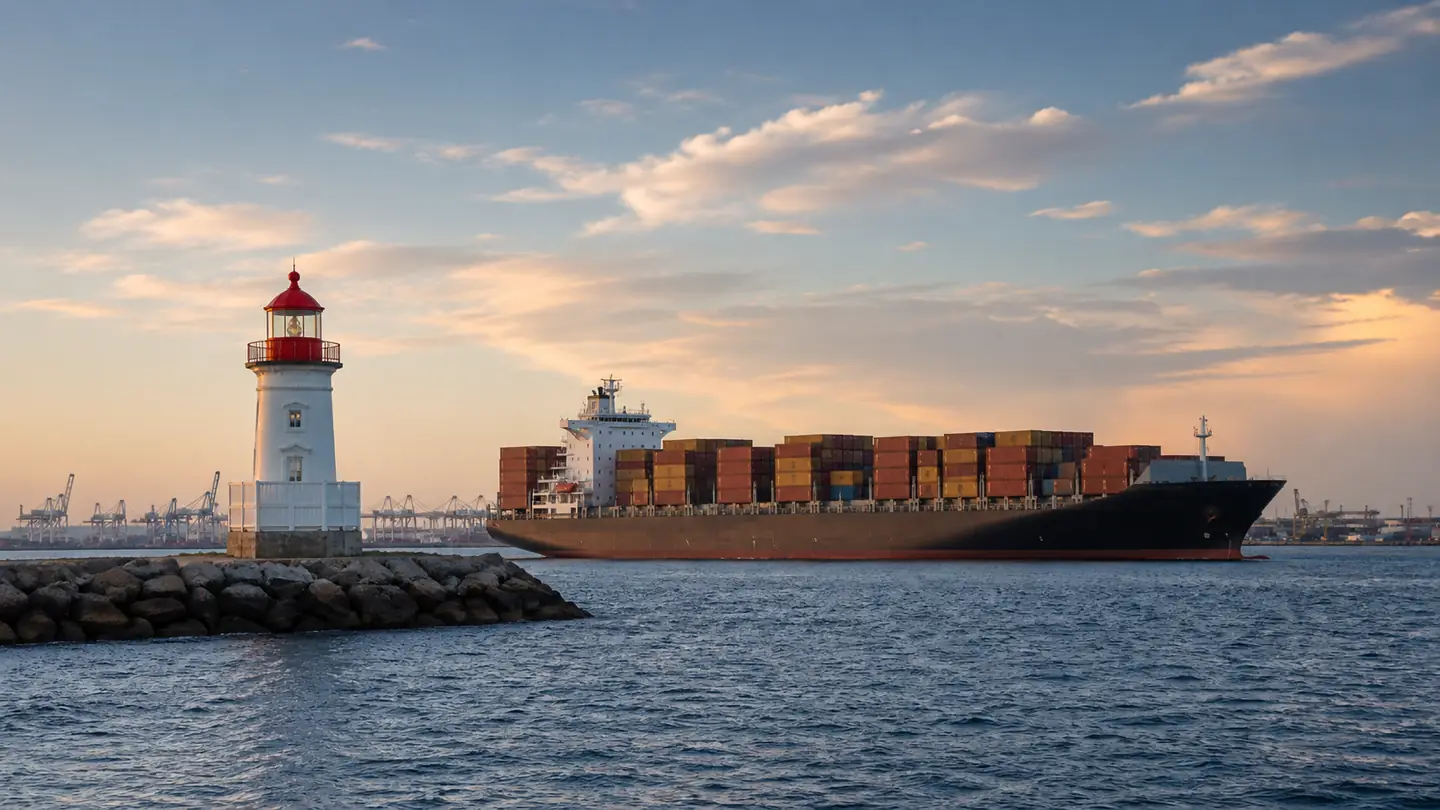
Locks & Safes shipping from China is straightforward once the cargo is understood: this is freight that dense secure hardware where key control is a shipping issue, and the routing follows from that.
The pricing follows from it. Mixed consignments usually finish volume-limited. Consolidating several SKUs into one shipment nearly always beats shipping them separately, because it lets the dense items pay for the space the light items waste.
A caution particular to this commodity. Weight and access at delivery. A safe that clears customs easily can be undeliverable because the customer has no forklift and the door is up a flight of stairs. Confirm the delivery capability before shipping heavy security products.
On the compliance side the recurring item is straightforward to state and easy to leave too late: CE under PPE Regulation 2016/425 against the relevant EN performance standard. HS classification generally falls in chapter 84 / 85 / 65, though the exact heading depends on specification and should be confirmed against your own product before you rely on a duty estimate.
Freight reference — Locks & Safes
| Typical HS chapter | 84 / 85 / 65 |
|---|---|
| Cargo behaviour | Dense secure hardware where key control is a shipping issue |
| How it prices | Volume-limited |
| Usual service | Sea FCL / LCL |
| Main compliance step | CE under PPE Regulation 2016/425 against the relevant EN performance standard |
| Trade terms available | EXW, FOB, CIF, CIP, DAP or delivered duty-paid |
HS chapters are indicative. The binding classification depends on your exact specification — confirm the heading before relying on a duty estimate.
Packing and protection
Safes ship palletised and strapped with door locked and keys shipped separately from the unit — keys packed with the safe defeat the point and are a theft invitation. Protect the finish; a scratched safe is a rejected safe.
Loading the container
On loading: Load dense cartons low and light cartons high, and fill the voids. A mixed load that is planned reaches both weight and volume limits together; one that is not leaves a quarter of the box empty.
Choosing the service
On routing: Sea FCL once volume supports it, LCL below roughly 15 m³, air for urgent top-ups. The crossover point moves with the lane, so it is worth checking rather than assuming.
Where it usually goes wrong
Weight and access at delivery. A safe that clears customs easily can be undeliverable because the customer has no forklift and the door is up a flight of stairs. Confirm the delivery capability before shipping heavy security products.
Live rates on lanes that carry this cargo
Published per-kilo and per-CBM rates from China, updated from carrier feeds. Rates are lane-based rather than commodity-based, so these apply to locks & safes as much as to any other general cargo on the same route.
Clearing locks & safes at destination
The freight is the easy half. What decides whether this cargo lands on time is the HS heading it is entered under, the certification the destination applies to it, and whether the consignee is registered to import it. We file the entry in 160 markets and settle duty and tax as part of the movement, so the classification we quote is the classification that gets used.
Clearance requirements by market →Frequently asked questions
How is freight priced for locks & safes?
Mixed consignments usually finish volume-limited. Consolidating several SKUs into one shipment nearly always beats shipping them separately, because it lets the dense items pay for the space the light items waste.
How should locks & safes be packed for export?
Safes ship palletised and strapped with door locked and keys shipped separately from the unit — keys packed with the safe defeat the point and are a theft invitation. Protect the finish; a scratched safe is a rejected safe.
Air or sea for locks & safes?
Sea FCL once volume supports it, LCL below roughly 15 m³, air for urgent top-ups. The crossover point moves with the lane, so it is worth checking rather than assuming.
What customs paperwork does locks & safes need?
The step that most often holds a shipment is CE under PPE Regulation 2016/425 against the relevant EN performance standard. Classification normally falls in HS chapter 84 / 85 / 65, but the exact heading depends on your specification — send the product details and we will confirm the code and the duty position for the destination before you commit.
What goes wrong most often with locks & safes shipments?
Weight and access at delivery. A safe that clears customs easily can be undeliverable because the customer has no forklift and the door is up a flight of stairs. Confirm the delivery capability before shipping heavy security products.
Is there anything specific to locks & safes we should know?
Safety product clears against its certification, not its description. The EN or ANSI test report needs to reference the exact model shipped; a report for a similar model in the range is not accepted.
Can you quote locks & safes on FOB or CIF rather than duty-paid?
Yes. We quote EXW, FOB, CIF, CIP, DAP and delivered duty-paid on this cargo. The term decides how much of the journey is already inside the price — the trade-terms table on any of our rate pages sets out exactly who carries which cost at each stage.