
Sea Freight from China to Jurong
China → Jurong · via SIN air / PSA sea · clearance by Singapore Customs
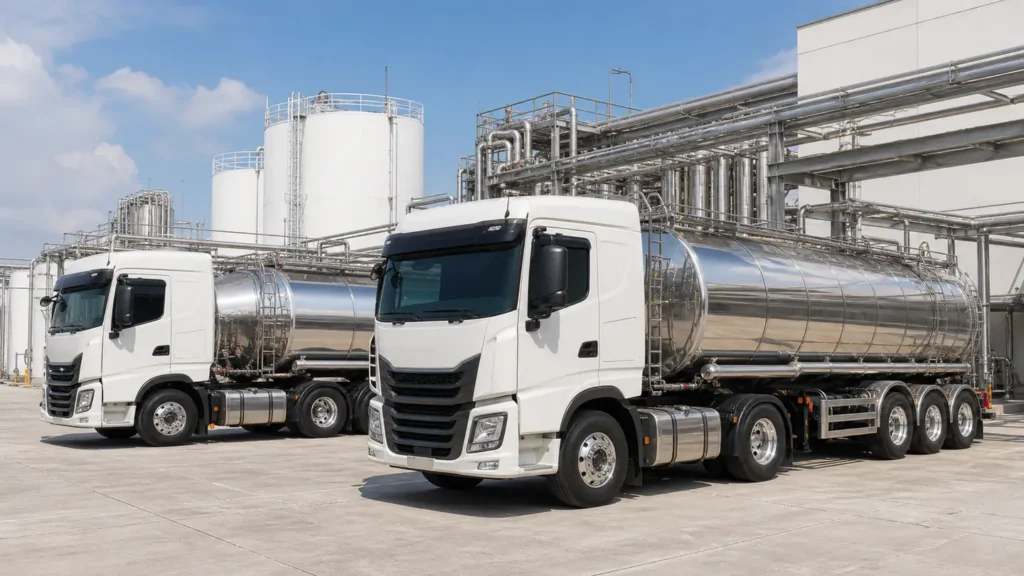
Freight from China into Jurong clears through SIN air / PSA sea. Jurong is western industrial estate and chemical cluster, and the inland leg is same-day, so the clearance date is effectively the delivery date.
The clearing authority is Singapore Customs. Historical dwell on this gateway is around 1–3 days, and it lengthens in Sep–Nov.
How this lane actually runs
Singapore is a free port and the cleanest customs environment in the region — most cargo clears in under a day. It is also the natural consolidation point for onward moves into Indonesia, Malaysia and the wider ASEAN market, so many buyers use a Singapore DDP delivery as a staging step rather than a final destination.
| Sea gateways used | PSA Singapore (Pasir Panjang/Tuas), Jurong Port |
|---|---|
| Sea transit, China to gateway | 4–7 calendar days |
| Gateway serving Jurong | SIN air / PSA sea |
| Inland leg to Jurong | Same day from the gateway |
| Typical clearance / dwell | 1–3 days |
| Peak season to plan around | Sep–Nov |
Import duty and tax position for Jurong
Imports into Singapore are cleared by Singapore Customs. The headline position is: GST 9%; import duty 0% on almost everything except liquor, tobacco, petroleum and motor vehicles. The de-minimis threshold is GST applies to low-value goods via the Overseas Vendor Registration regime.
Conformity is the part most first-time importers underestimate: IMDA registration for radio equipment; Safety Mark for controlled electrical goods; HSA license for health products. Getting this wrong is expensive because it usually cannot be fixed after the cargo has landed.
Restrictions and known friction points for Singapore: Chewing gum, e-cigarettes and vaping devices are prohibited outright. Telecommunication and radio devices need IMDA equipment registration. GST is charged on the full landed value with no practical de-minimis for commercial cargo.
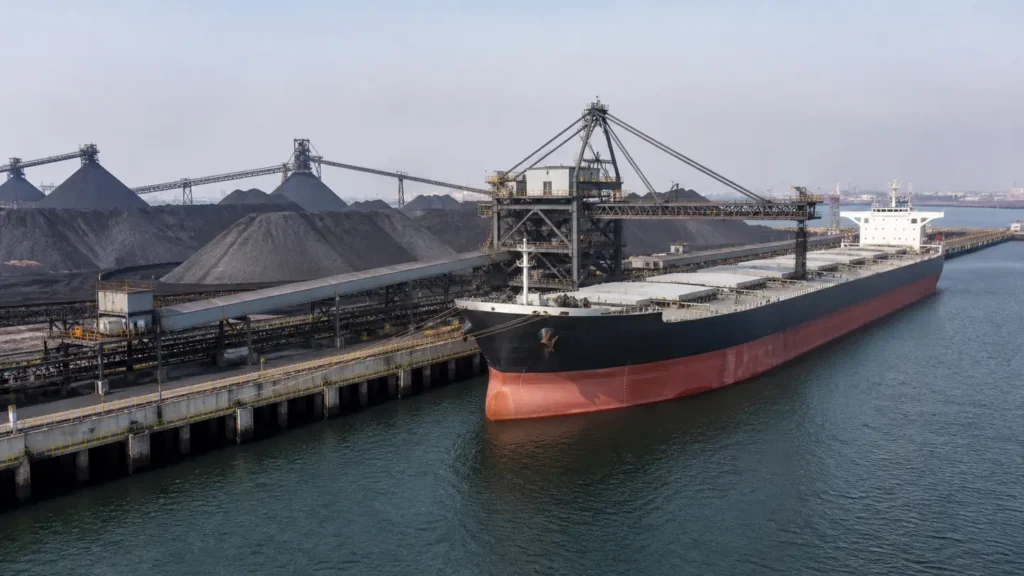
What to sort out before the cargo leaves China
- Check the de-minimis position (GST applies to low-value goods via the Overseas Vendor Registration regime) against your invoice value before you decide how to split the shipment.
- Compare gross weight against volumetric weight (L×W×H ÷ 6000) — the higher figure is what gets billed on air and express.
- Plan around the China-side windows too: Chinese New Year and Golden Week both compress capacity on the Singapore lane.
- Book earlier than the transit time suggests during Sep–Nov, when space on this lane tightens.
- Use ISPM-15 treated pallets. Untreated wood is the most common reason otherwise-clean cargo gets held.
- Budget for the inland leg: same-day delivery beyond gateway clearance to reach Jurong.
Frequently asked questions
How long does shipping from China to Jurong take?
China to the Singapore gateway is 4–7 calendar days. On top of that, allow 1–3 days of clearance with Singapore Customs and a same-day inland leg to Jurong.
What duty and tax will I pay importing into Jurong?
Singapore Customs applies: GST 9%; import duty 0% on almost everything except liquor, tobacco, petroleum and motor vehicles. The de-minimis position is GST applies to low-value goods via the Overseas Vendor Registration regime. Under a DDP arrangement these are pre-paid, so nothing is collected on arrival in Jurong.
When is the busiest time on the China–Singapore lane?
Space and rates tighten around Sep–Nov, plus the China-side windows of Chinese New Year in January or February and Golden Week in early October. Book one to two weeks earlier in those periods.
Which port or airport does cargo for Jurong clear through?
Cargo for Jurong is routed via SIN air / PSA sea. Sea gateways for Singapore are PSA Singapore (Pasir Panjang/Tuas), Jurong Port; air gateways are SIN (Changi). We pick whichever gives the shortest total door time for your address.
Can you deliver door-to-door in Jurong?
Yes. Delivery to a Jurong address is quoted as one figure covering freight, duty and tax owed to Singapore Customs, and the same-day inland leg. Confirm whether your consignee wants the goods at a warehouse, a marketplace fulfillment center or a shop front, because the last-mile requirement differs.
Is sea freight cheaper than air freight into Jurong?
Per kilo, yes — usually by a wide margin. The trade-off is time: 4–7 calendar days by sea versus 2–4 business days by air to the Singapore gateway, before clearance and the same-day inland leg. The crossover point is normally somewhere between 100 and 300 kg depending on the density of your cargo.
Other delivery cities in Singapore
References & official sources
Duty rates, thresholds and conformity requirements for Singapore change by ministerial decision, sometimes mid-year. The figures on this page are buyer-planning references, not a customs ruling — confirm the current position for your own HS code with Singapore Customs or your broker before you ship.
- Singapore Customs
- IMDA equipment registration
- Maritime and Port Authority of Singapore
- WTO — Tariff Profiles (applied MFN duty by country)
- IPPC — ISPM 15 wood packaging standard
- WCO — Harmonized System nomenclature
- IMO — IMDG Code for dangerous goods by sea
Page data last reviewed: 10 月 2026.
Shipping by industry
This page covers the route and clearance picture for the destination. Packing, classification and the compliance step that actually holds a shipment depend on what you are sending — these guides cover that by commodity.
- Furniture Furniture & Home Products
- Home Storage Products Furniture & Home Products
- Exhibition Display Equipment Retail, Display & Commercial Fixtures
- Aluminum Coils Steel & Metal Materials
- Pipe Fittings Metal Products & Industrial Components
- Generators New Energy, Power & Electrical
- Ceramic Tiles Building Materials & Construction Products
- Paper Packaging Wood, Bamboo & Paper Products
- Packaging Materials Plastics, Rubber & Packaging
- Laboratory Furniture Furniture & Home Products
- Fabric Textiles, Apparel, Footwear & Leather
- Salon Furniture Beauty, Personal Care & Wellness
Checking the Singapore duty position yourself
Treat the landed-cost numbers here as a planning baseline. Singapore Customs sets the rate that actually gets charged, assessed against your HS classification at the moment of clearance, so their own guidance is worth reading before a large order.
If you want to sanity-check a duty figure yourself, start from the heading rather than the product name — the WCO Harmonized System is the underlying nomenclature, and the WTO Tariff & Trade Data portal holds the applied rates by country pair.
For ocean cargo, restricted commodities move under the IMO's IMDG Code, and the container has to be declared and stowed accordingly. Batteries, flammables and corrosives all have a compliant ocean path; what causes rolled bookings is finding out about them after the container is packed.
On the origin side, export declaration and any commodity inspection requirement fall under China Customs (GACC); we handle that filing as part of the service, but the requirement is theirs, not ours.
If this is your first shipment into Singapore, the Singapore Country Commercial Guide covers the practical import environment in more depth than a rate page reasonably can, and it is written by a party with no stake in your booking.
Watch: the process behind this route
This guide covers routing and clearance for Jurong. The video below covers the wider shipping process that sits around it.
How to Ship Internationally via Ocean Freight | Step-by-Step Process, Documents & Cost Explained — 10 Min For Supply Chain. Published on YouTube by a third party; we link it because it explains the process well, not because we produced it or endorse the provider.
Customs clearance in Singapore
Duty and tax position, certification, typical port dwell and what actually holds shipments at this border — plus who files the entry.
Singapore clearance requirements →