
Sea Freight from China to Hong Kong Island
China → Hong Kong Island · via HKG air / Kwai Tsing sea · clearance by Hong Kong Customs and Excise Department
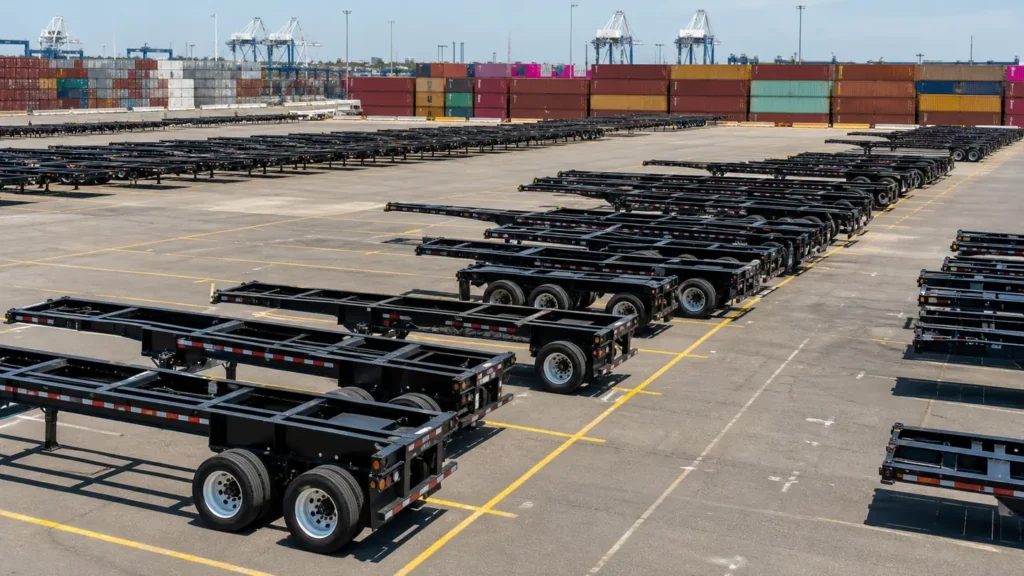
We move sea freight cargo from South China into Hong Kong Island through HKG air / Kwai Tsing sea. Hong Kong Island is central business district deliveries, which shapes the kind of cargo that moves on this lane and how it should be packed.
On the destination side, Hong Kong Customs and Excise Department handles clearance; budget Same day to 2 days of dwell before the cargo is released.
Import duty and tax position for Hong Kong Island
Imports into Hong Kong are cleared by Hong Kong Customs and Excise Department. The headline position is: No VAT or GST and no import duty, except on liquor, tobacco, hydrocarbon oil and methyl alcohol; a trade declaration charge applies. The de-minimis threshold is Not applicable — Hong Kong is a duty-free port.
Conformity is the part most first-time importers underestimate: No general conformity regime; a trade declaration must be lodged within 14 days of import. Getting this wrong is expensive because it usually cannot be fixed after the cargo has landed.
Restrictions and known friction points for Hong Kong: A trade declaration is required even though no duty is payable. Strategic and dual-use commodities need a license from the Trade and Industry Department. Onward re-export to the mainland is a separate customs event.
What the routing looks like in practice
Hong Kong is a free port with no import duty and no VAT, which is why it functions as the region's re-export and consolidation hub. Cross-border trucking from Shenzhen runs several times a day, and HKG offers the widest long-haul air capacity in Asia — many battery and sensitive-cargo channels depart from Hong Kong rather than mainland airports for exactly this reason.
| Sea gateways used | Kwai Tsing container terminals, River trade terminal (Tuen Mun) |
|---|---|
| Sea transit, China to gateway | 1–2 calendar days |
| Gateway serving Hong Kong Island | HKG air / Kwai Tsing sea |
| Inland leg to Hong Kong Island | Same day from the gateway |
| Typical clearance / dwell | Same day to 2 days |
| Peak season to plan around | Sep–Nov |
What to sort out before the cargo leaves China
- Ask for the HS code in writing from your supplier and verify the Hong Kong duty rate against it yourself.
- Get the conformity paperwork moving early: No general conformity regime; a trade declaration must be lodged within 14 days of import.
- Photograph carton markings and seal numbers before departure — it makes any claim far easier to settle.
- Budget for the inland leg: same-day delivery beyond gateway clearance to reach Hong Kong Island.
- Book earlier than the transit time suggests during Sep–Nov, when space on this lane tightens.
- Compare gross weight against volumetric weight (L×W×H ÷ 6000) — the higher figure is what gets billed on air and express.
Frequently asked questions
How long does shipping from China to Hong Kong Island take?
China to the Hong Kong gateway is 1–2 calendar days. On top of that, allow Same day to 2 days of clearance with Hong Kong Customs and Excise Department and a same-day inland leg to Hong Kong Island.
What duty and tax will I pay importing into Hong Kong Island?
Hong Kong Customs and Excise Department applies: No VAT or GST and no import duty, except on liquor, tobacco, hydrocarbon oil and methyl alcohol; a trade declaration charge applies. The de-minimis position is Not applicable — Hong Kong is a duty-free port. Under a DDP arrangement these are pre-paid, so nothing is collected on arrival in Hong Kong Island.
Can you ship batteries or sensitive cargo to Hong Kong Island?
Yes. Battery cargo by sea moves under UN3480/UN3481 with an MSDS, and the dangerous-goods documentation is prepared as part of the booking into Kwai Tsing container terminals, River trade terminal (Tuen Mun). Surcharges apply and space is more limited than for general cargo.
What certification do I need for Hong Kong?
For regulated goods, plan for: No general conformity regime; a trade declaration must be lodged within 14 days of import. Missing conformity paperwork is the single most common cause of a hold, and in most cases it cannot be remedied once the cargo has arrived.
When is the busiest time on the China–Hong Kong lane?
Space and rates tighten around Sep–Nov, plus the China-side windows of Chinese New Year in January or February and Golden Week in early October. Book one to two weeks earlier in those periods.
Is sea freight cheaper than air freight into Hong Kong Island?
Per kilo, yes — usually by a wide margin. The trade-off is time: 1–2 calendar days by sea versus Same day to 1 business day by air to the Hong Kong gateway, before clearance and the same-day inland leg. The crossover point is normally somewhere between 100 and 300 kg depending on the density of your cargo.
Other delivery cities in Hong Kong
References & official sources
Duty rates, thresholds and conformity requirements for Hong Kong change by ministerial decision, sometimes mid-year. The figures on this page are buyer-planning references, not a customs ruling — confirm the current position for your own HS code with Hong Kong Customs and Excise Department or your broker before you ship.
- Hong Kong Customs and Excise Department
- Trade and Industry Department
- WTO — Tariff Profiles (applied MFN duty by country)
- IMO — IMDG Code for dangerous goods by sea
- IATA — Lithium battery shipping guidance (PI 965–970)
- World Bank — Logistics Performance Index
Page data last reviewed: 10 月 2026.
Shipping by industry
This page covers the route and clearance picture for the destination. Packing, classification and the compliance step that actually holds a shipment depend on what you are sending — these guides cover that by commodity.
- Illuminated Signs Retail, Display & Commercial Fixtures
- Metal Products Metal Products & Industrial Components
- Storage Tanks Metal Products & Industrial Components
- Transformers New Energy, Power & Electrical
- Sanitary Ware Building Materials & Construction Products
- Cartons Wood, Bamboo & Paper Products
- Flexible Packaging Plastics, Rubber & Packaging
- Home Decor Furniture & Home Products
- Technical Textiles Textiles, Apparel, Footwear & Leather
- Outdoor Products Toys, Sports, Outdoor & Leisure
- Fasteners Metal Products & Industrial Components
- Electric Motors General Machinery & Industrial Equipment
Checking the Hong Kong duty position yourself
Duty and tax figures on this page are planning estimates. The binding assessment is made by Hong Kong Customs and Excise Department against your declared HS code at the time of entry; where the amount is material, verify the current rate through ITC Market Access Map before committing to an order.
Most landed-cost surprises trace back to classification rather than freight. the WCO Harmonized System defines the heading structure every customs administration builds on, and ITC Market Access Map will show you the duty a given heading attracts in this destination.
For ocean cargo, restricted commodities move under the IMO's IMDG Code, and the container has to be declared and stowed accordingly. Batteries, flammables and corrosives all have a compliant ocean path; what causes rolled bookings is finding out about them after the container is packed.
Watch: the process behind this route
This guide covers routing and clearance for Hong Kong Island. The video below covers the wider shipping process that sits around it.
How to Calculate CBM in Shipping | Volume vs Weight Explained | CBM Formula & Freight Cost Guide — 10 Min For Supply Chain. Published on YouTube by a third party; we link it because it explains the process well, not because we produced it or endorse the provider.
Customs clearance in Hong Kong
Duty and tax position, certification, typical port dwell and what actually holds shipments at this border — plus who files the entry.
Hong Kong clearance requirements →